What’s the Weather Like in Italy in Winter?
Ah, winter in Italy. It’s funny how many people envision endless sunshine and mild breezes, even in December, thanks to that glorious Mediterranean reputation. But let me tell you, as someone who’s shivered through more than one Italian winter, it’s a far more complex picture than most guidebooks let on. This isn't a simple "pack a light jacket" scenario. Italy’s winter weather is diverse, challenging, and often surprisingly chilly, and understanding it is key to truly enjoying your time here without turning into a human icicle.
Disclosure: This post may contain affiliate links. We may earn a commission at no extra cost to you if you make a purchase through these links. Read full disclosure.
Dispelling the Myth of a Uniform Italian Winter
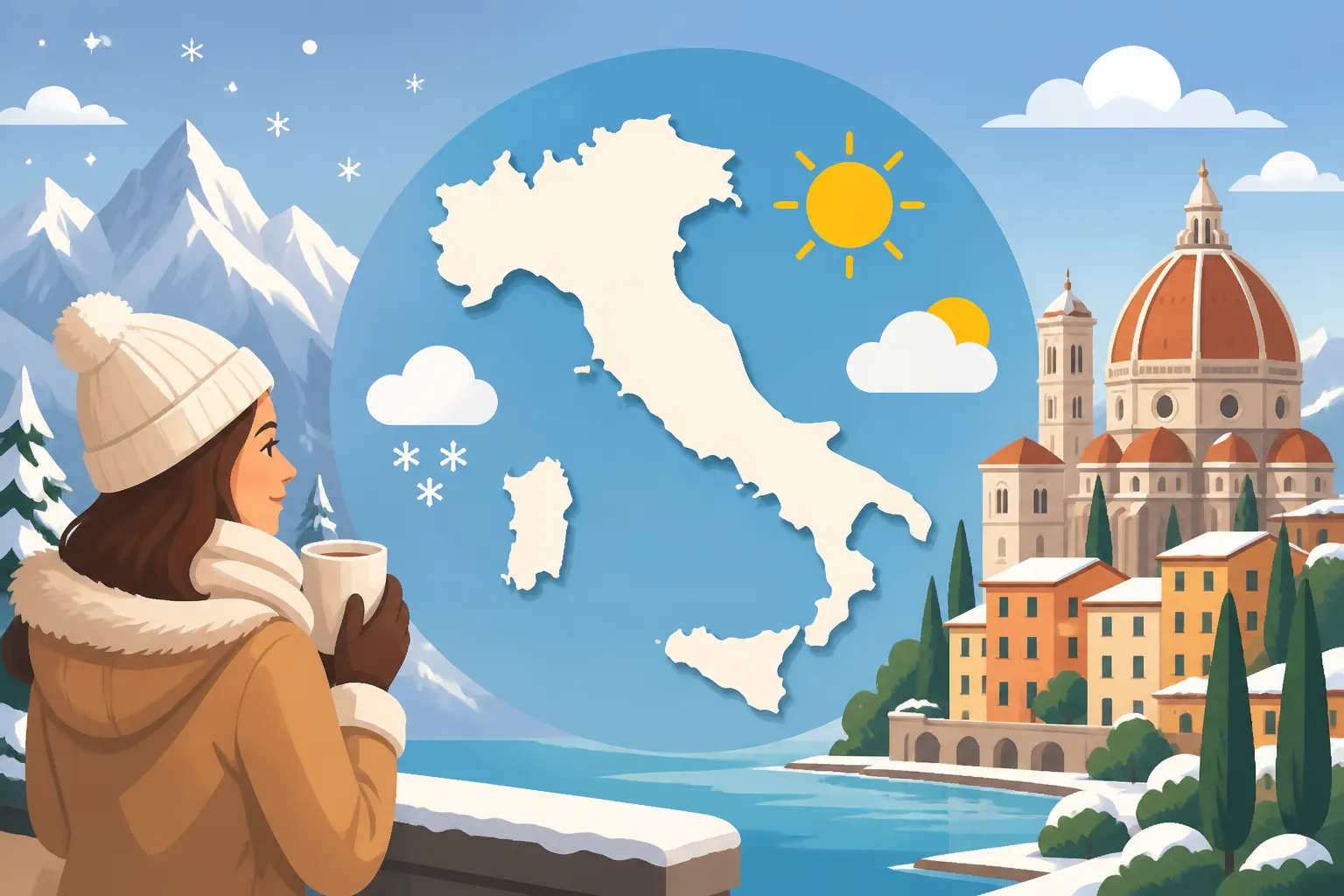
One of the biggest mistakes newcomers make is thinking Italy has one climate. Trust me, the difference between a winter in the Dolomites and a winter in Sicily is like night and day. Italy is a long, slender boot, stretching from the snowy Alps down to the warm embrace of the Mediterranean, and each region has its own distinct winter personality. You absolutely need to understand these variations to pack correctly, plan your activities, and even choose where to settle for the season. It’s not just about temperature; it’s about dampness, wind, and even the type of heating in your Italian home.
The North: Alpine Wonderland and Chilly Cities
When you think of winter in the Italian North, think snow, crisp air, and proper winter gear. The Alps and Dolomites are, naturally, a winter sports paradise. Up there, in places like Cortina d'Ampezzo or Courmayeur, you'll find heavy snowfall, sub-zero temperatures, and stunning, snow-covered landscapes that are truly magical. This is the Italy for skiing, snowboarding, and cozy firesides. If you're planning on What to Pack for Hiking in the Dolomites, you'll need all your serious cold-weather apparel.
Even outside the highest peaks, cities in Northern Italy like Milan, Turin, and Venice experience a proper cold winter. Temperatures often hover around freezing, and while heavy snow isn't an everyday occurrence in the cities themselves (though it happens!), you can expect a persistent, penetrating chill. Fog is also a common feature in the Po Valley, adding to the melancholic winter atmosphere. The air can be damp, making even mild temperatures feel much colder, especially if you're standing still in a piazzas admiring the architecture. You'll see locals bundled up in stylish, heavy wool coats, scarves, and gloves, and for good reason. Public transport, like the High-Speed Trains in Italy: Trenitalia, Italo, Routes, and Savings connecting these cities, will be warm, but walking between stations and attractions requires preparation.
The Center: Varied Climates and Unexpected Surprises
Moving south into Central Italy, the climate becomes a fascinating mix. Cities like Florence, Siena, and Rome certainly get cold, but it’s a different kind of cold than the North. It’s often damp, which, as any expat will tell you, can feel worse than dry, freezing temperatures. In Tuscany and Umbria, you’ll see frost on the ground in the mornings, and daytime temperatures can range from about 5°C to 12°C (41-54°F). Rain is frequent, and while snow is rare in Rome or Florence, it's not unheard of – especially in the surrounding hills. I remember one year Rome got a surprising blanket of snow, and the entire city basically shut down in joyous chaos.
Coastal areas in Central Italy, like those along the Tuscan or Lazio coasts, tend to be a bit milder than inland cities, but they can also be exposed to strong winds and heavy rainfall. The central Apennine mountains, which run down the spine of Italy, also see significant snowfall and are home to smaller ski resorts, offering a different kind of winter experience. It's truly a region where the weather can throw you a curveball, so always check the local forecast meticulously before you head out. When considering How to Choose Between Northern and Southern Italy for your winter escapades, remember this central ground offers a taste of both worlds.
The South and Islands: Mediterranean Mildness
Now, if you're chasing that elusive "mild Italian winter" dream, your best bet is Southern Italy and the islands like Sicily and Sardinia. Here, the Mediterranean influence truly takes hold. Winters are generally mild, with average daytime temperatures ranging from 10°C to 16°C (50-61°F). Frost is infrequent, and snow is an extreme rarity, usually only falling in the higher inland mountain areas, like on Mount Etna in Sicily.
Don't mistake "mild" for "warm" though. It can still be chilly, especially in the evenings, and you'll definitely need layers. However, the landscapes remain green, citrus fruits ripen, and you'll often find sunny days perfect for exploring. Cities like Naples, Bari, Palermo, and Cagliari offer a much more relaxed winter pace, with fewer crowds and lower prices. While you won't be sunbathing, you might enjoy pleasant walks along the coast, even in January. Sardinia for Travelers: Beaches and the Interior in winter offers a stark contrast to its summer bustle, with tranquil hikes and authentic local experiences, though swimming is definitely off the table unless you're truly brave!
Typical Weather Patterns and What to Expect Seasonally
Understanding the general regional differences is one thing, but knowing how the winter months unfold can help you fine-tune your plans. Italy's winter truly kicks in during December and generally holds its grip through February, with nuances in each month.
December: The Start of Winter's Chill
December in Italy is a month of transition, embracing the festive spirit while the cold slowly settles in. In the North, especially the mountains, it's full-blown winter, with ski resorts opening and a good chance of snow. Cities like Milan will be cold and often foggy, perfect for dashing between indoor attractions and Christmas markets. I remember one December in a chilly apartment near the Milan City Guide: Fashion, Art, and the Duomo, feeling the damp cold seeping in despite the beautiful holiday lights.
Central Italy gets increasingly chilly, with frequent rainfall and crisp, cool days. Rome, while festive, will require a good coat, scarf, and umbrella. You might experience a few sunny, cold days, but grey skies and dampness are more common. The South remains the mildest, though temperatures certainly drop from autumn highs. It's a lovely time for a leisurely stroll in Naples or along the Sicilian coast, enjoying the lack of crowds and the vibrant local life, especially with the festive atmosphere of Festivals, Holidays, and Traditions in Italy. Just be prepared for cooler evenings and occasional rain showers everywhere.
January: Peak Cold and Potential for Snow
January is typically the coldest month across Italy. This is when you'll truly appreciate a good heating system (if you're lucky enough to have one that works well!). In the North, expect widespread freezing temperatures, and heavy snow is likely in the Alpine regions. Northern cities will be truly cold, often with frosty mornings and short, dark days. This is when those substantial winter coats and waterproof boots really earn their keep.
Central Italy experiences its chilliest period. Rome can see temperatures dipping close to freezing overnight, with daytime highs often struggling to reach double digits in Celsius. The dampness can be persistent, making indoor spaces feel colder than the thermostat suggests. In the South, January remains the mildest, but it's still undeniably winter. Days are cool, and evenings can be quite cold, often with a biting wind coming off the sea. While it might be sunny, don't expect warmth. This is the month when a hearty bowl of pasta or a rich Tuscan stew, part of Italian Food Culture: Eating Well as a Visitor, feels like a warm hug from the inside out.
February: Lingering Cold with Hints of Spring
February often feels like the tail end of winter, a bit of a tease. While still cold, especially in the North and Center, the days are noticeably longer, and there’s often a subtle hint of spring around the corner. Temperatures might tick up a degree or two, and there can be a few gloriously sunny, crisp days that make you feel like winter might actually end. However, don't be fooled – cold snaps are still very possible.
In the mountains, February remains a prime skiing month, with reliable snow. Northern cities are still cold, but perhaps with less fog than January. Central Italy continues to be cool and damp, though the brighter, longer days are a welcome change. In places like Rome, you might start to see early blossoms on some trees. The South begins to shake off its winter chill more noticeably, with more frequent sunny days and milder temperatures. This can be a delightful time to explore the ancient ruins or coastal towns without the intense summer heat or crowds, making it a great option for Visiting Italy in Winter: Quiet Cities and the Alps if you lean towards the milder end of the spectrum. Carnival celebrations, often falling in February, can be vibrant, but the weather can be unpredictable, ranging from crisp and sunny to wet and chilly.
Practical Preparations for an Italian Winter
Okay, so you know it's going to be cold, especially if you're heading north or inland. But what does that really mean for your packing list and your expectations once you're on the ground? It's more than just a thicker jacket; it’s about understanding the practical realities of Italian homes and transportation during the colder months.
Layering for Comfort: Your Winter Wardrobe Strategy
Forget fashion, embrace function – at least for your core layers. The key to surviving an Italian winter comfortably is layering. You might start your day with frosty breath, but by midday, if the sun's out, you could be shedding a layer or two.
Here’s my expat-tested layering strategy:
- Base Layer: Think thermal tops and bottoms, especially if you're prone to feeling the cold or planning to be outdoors for extended periods. Merino wool is your best friend here.
- Mid-Layer: Fleeces, wool sweaters, or even light down vests. These add crucial insulation. I’ve found that even in Rome for First-Time Visitors: Neighborhoods and Practical Tips, the chill from the ancient stone buildings can make a thick sweater indispensable.
- Outer Layer: A good quality, waterproof and windproof coat is non-negotiable, particularly if you're in the North or dealing with Central Italian dampness. It doesn’t have to be a full ski jacket, but something substantial. A stylish wool coat can work if it’s thick enough, but ensure it can stand up to light rain.
- Accessories: Scarves (essential!), gloves or mittens, and a warm hat. These make a huge difference, especially when waiting for a bus or wandering through outdoor markets.
- Footwear: Waterproof boots with good grip are a must. The streets can be wet, slick, and uneven. Damp feet are miserable feet. Forget your cute sneakers unless you're planning only indoor activities.
Heating and Home Comfort: What to Expect in Italian Homes
This is where the rubber meets the road for many expats and long-term visitors. Italian homes are not always built for extreme cold, and heating can be a point of cultural difference and, frankly, frustration. Many buildings, especially older ones, are designed to keep heat out in the summer, which means they can struggle to keep warmth in during winter. Dampness can also be a significant issue, especially in coastal or rainy areas.
You'll encounter two main types of heating systems, which you'll quickly learn about if you're looking at Italian Rental Contracts 101: 4+4, 3+2, and Transitorio:
- Centralized Heating (Riscaldamento Centralizzato): Common in apartment blocks. This often means the heat is on a timer set by the condominio (building management), and you have little control over when it comes on or how warm it gets. It can be delightful, or it can mean shivering until 5 PM. The regulations around heating times are strict in Italy, varying by region and often restricted to certain hours and temperatures during defined winter months to save energy.
- Autonomous Heating (Riscaldamento Autonomo): You control your own caldaia (boiler) and radiators. While this offers more flexibility, it also means you're paying for it directly. Keep an eye on your Energy and Utility Costs in Italy: Monthly Expenses, as gas bills can skyrocket if you keep your home toasty warm 24/7. Learning Heating Your Italian Home: Autonomo vs Centralizzato is vital for comfort and your wallet.
Often, apartments feel cooler than what you might be used to in Northern Europe or North America. Don't be surprised if you find yourself wearing an extra sweater indoors or snuggling under a heavy blanket on the sofa. Electric heaters are an option, but they can be costly to run. Prepare for a slightly cooler indoor environment, embrace cozy pajamas, and invest in a good hot water bottle!
Winter Activities and Travel: Making the Most of the Season
Despite the cold, winter in Italy offers unique charm and distinct advantages. The lack of summer crowds means you can experience popular sites like the Colosseum or the Uffizi Gallery with more space and a slower pace. You can often find better deals on flights and accommodations, whether you're using services like Booking.com for hotels or exploring local options.
- City Exploration: Winter is fantastic for exploring Italy’s art cities. Museums, galleries, and churches offer warm refuges, and the streets, while chilly, are far less congested. Bundle up, grab a rich Italian hot chocolate, and wander. Public transport within cities, like the buses in Rome, can get you around efficiently. If you're renting a car for regional exploration, be mindful of Renting a Car in Italy: ZTLs, Insurance, and Driving Tips as winter driving conditions can add extra challenges.
- Winter Sports: For outdoor enthusiasts, the Alps and Dolomites are world-class. Resorts come alive, offering skiing, snowboarding, and even snowshoeing. Omio can help you plan your train or bus routes to get you to regional hubs before heading up to the slopes.
- Culinary Delights: Winter is the season for hearty stews, rich pasta dishes, and warming wines. It’s a perfect time to indulge in Italy’s incredible gastronomic traditions without the pressure of a summer diet. Truffle season in Piedmont and Umbria, for instance, is in full swing.
- Festivals and Events: Beyond Christmas and New Year's, February brings Carnival (Carnevale), with its vibrant costumes and parades, most famously in Venice, but also in many other towns. You can often find local tour operators via GetYourGuide offering special experiences during these events.
Overall, winter in Italy isn't just surviving the cold; it's about leaning into a different, often more authentic and intimate, experience of this beautiful country.
Regional Winter Weather Overview Table
To give you a quick snapshot, here's a general idea of what to expect across different Italian regions during winter:
| Region/City | Typical Daytime Temp (Celsius) | Typical Precipitation | Snowfall Likelihood (City) | General Feel |
|---|---|---|---|---|
| Northern Italy | ||||
| Milan | 2-7°C | Moderate rain/damp | Low to Moderate | Cold, damp, often foggy; crisp when sunny |
| Dolomites (Alps) | -5 to 5°C | Heavy snow | High | Very cold, snowy, perfect for winter sports |
| Venice | 3-8°C | Rain/damp | Low | Chilly, damp, often foggy; risk of acqua alta |
| Central Italy | ||||
| Florence | 4-10°C | Moderate rain | Low | Cold, damp; can be sunny but crisp |
| Rome | 6-12°C | Moderate rain | Very Low | Cool, often damp; pleasant on sunny days |
| Apennine Mtns | 0-8°C | Snow/rain | Moderate to High | Cold, snowy at altitude |
| Southern Italy | ||||
| Naples | 8-14°C | Moderate rain | Very Low | Mild, damp; can feel colder with wind |
| Palermo (Sicily) | 10-16°C | Occasional rain | Extremely Low | Mild, breezy; more sunny days |
| Cagliari (Sardinia) | 10-15°C | Occasional rain | Extremely Low | Mild, often pleasant; can be windy |
Disclaimer
Please remember that weather patterns are subject to change and this guide provides general expectations based on historical data. Always check the specific local forecast closer to your travel dates for the most accurate information. Regional microclimates can also cause variations.