Staying Safe in Italy: Common-Sense Tips for Travelers
Ah, Italy! The land of breathtaking art, incredible food, and a vibrant culture that sweeps you off your feet. As an expat who's called this beautiful chaos home for years, I can tell you that traveling here is an experience like no other. But, like any popular destination, Italy has its quirks, and sometimes, those quirks can pose minor challenges for unsuspecting visitors. Many first-timers arrive with dreams of ancient ruins and gelato, only to find themselves a little overwhelmed by the bustling crowds or the relentless street vendors. This guide isn't here to scare you, but to arm you with the practical, common-sense tips I've gathered over the years to help you navigate Italy safely and confidently, allowing you to truly savor every moment without unnecessary worry.
Disclosure: This post may contain affiliate links. We may earn a commission at no extra cost to you if you make a purchase through these links. Read full disclosure.
Navigating the Everyday Realities: Petty Crime and Scams
Let's be real: Italy is generally a safe country. You're far more likely to have your heart stolen by a plate of cacio e pepe than to encounter serious crime. However, petty theft and cunning scams are a persistent nuisance, especially in major tourist hubs. It's not a reflection on Italy or its wonderful people, but a reality of popular destinations worldwide. Staying aware of these common pitfalls is your first line of defense.
The Persistent Problem of Pickpocketing and Bag Snatching
If there's one thing you'll hear from every seasoned traveler in Italy, it's "watch your wallet!" Pickpocketing and bag snatching are by far the most frequent complaints. These aren't violent crimes, but they can certainly ruin a day, or even a trip, when you realize your passport or camera has vanished. Thieves often work in teams, creating distractions while an accomplice does the deed. I've had friends who've experienced it on crowded metros in Rome, in the queues for the Uffizi Gallery in Florence, or even on a packed Vaporetto in Venice.
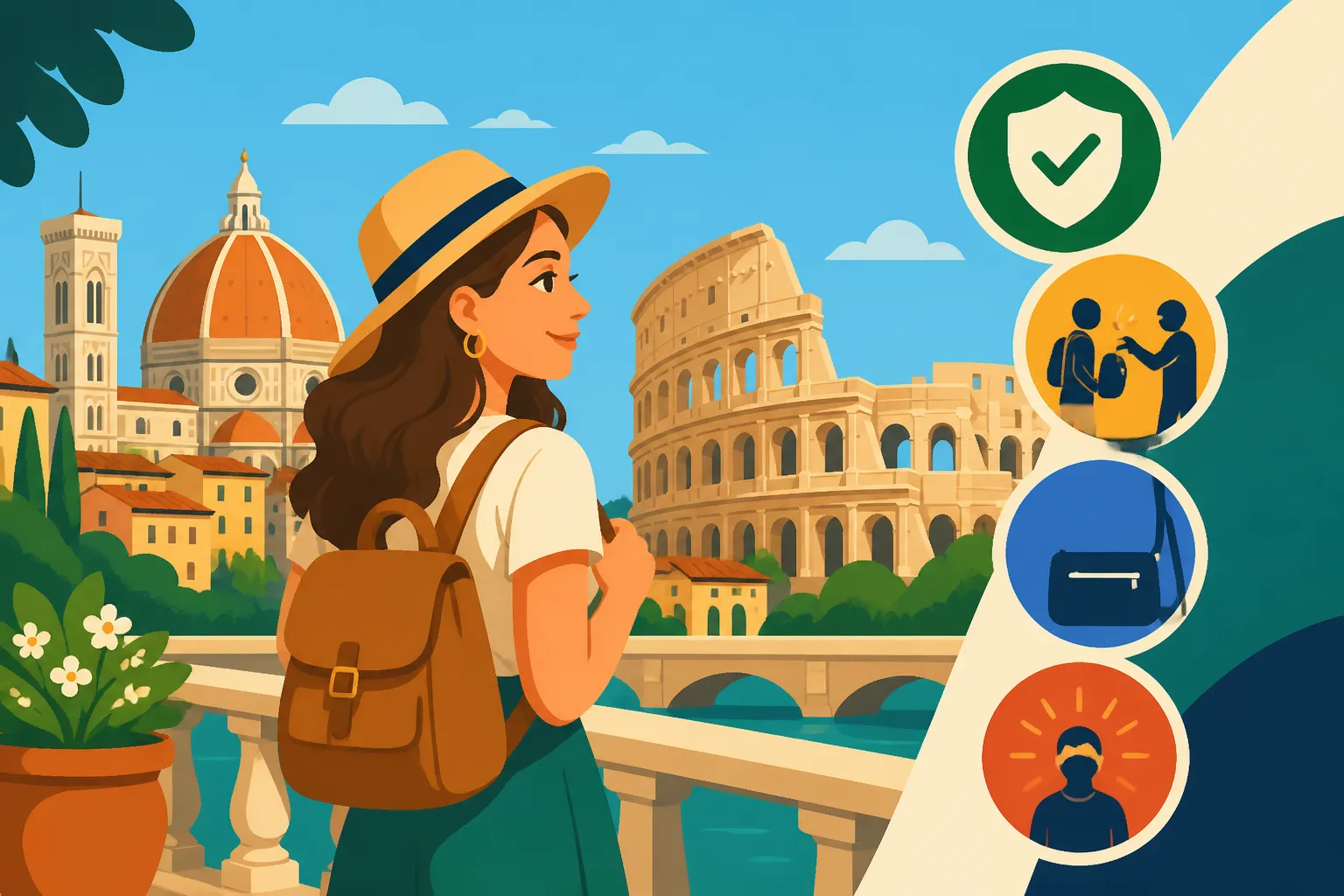
Imagine you're mesmerized by the Colosseum, phone in hand, snapping photos. A group suddenly crowds around you, seemingly trying to get a better view, and in the momentary jostle, your wallet slips silently from your back pocket. Or perhaps you're enjoying an aperitivo at an outdoor cafe, your small crossbody bag casually resting on the empty chair beside you, only for it to disappear in a blink as a 'passerby' brushes past. They're quick, they're practiced, and they target tourists because, let's face it, we often carry more cash and look more distracted than locals. The key isn't paranoia, but rather a heightened sense of awareness, especially in dense crowds and major attractions. For more specific advice, you might want to check out our detailed guide on Avoiding Pickpockets in Italy's Tourist Areas.
Unmasking Common Tourist Scams
Beyond pickpockets, Italy's cities are unfortunately also home to a variety of crafty scammers whose sole purpose is to separate you from your cash. These aren't usually aggressive confrontations but rather subtle psychological games. One common trick involves someone approaching you with a "petition" for a noble cause, often asking you to sign and then demanding money for their "charity." While you're distracted, another person might try to pick your pocket or lift your bag. Another classic is the "friendly" local who offers to help you with directions or a photo, only to expect a hefty tip afterwards, or worse, use the interaction as a distraction.
Then there are the "rose sellers" who practically force a rose into your hand or to your partner, then demand payment, often becoming quite persistent. Or the infamous "string bracelet" artists who tie a bracelet onto your wrist, declaring it a "gift," then aggressively demand payment. My advice? A firm, polite "No, grazie" (no, thank you) and walking away is always the best strategy. Don't engage, don't make eye contact, and certainly don't let anyone touch you or your belongings. These individuals thrive on your politeness and hesitation, so a quick and decisive exit is your best tool.
Protecting Your Digital and Financial Footprint
In our increasingly digital world, safety extends beyond physical theft. When you're traveling, your financial data and online accounts become potential targets. ATM skimming, where devices are attached to card readers to steal your information, is a concern in any country, and Italy is no exception. Always give the card slot a wiggle and check for anything unusual before inserting your card. Furthermore, public Wi-Fi networks in cafes, hotels, and train stations, while convenient, are often unsecured. This makes your personal information vulnerable to savvy hackers who can intercept your data if you're checking bank accounts or making purchases.
When it comes to booking accommodations or tours, it's crucial to use reputable and secure platforms. Sites like Booking.com, for example, have robust security measures in place to protect your financial transactions and personal data when you book your stay. Similarly, for excursions and experiences, using trusted platforms like GetYourGuide ensures that your bookings are legitimate and your payments are secure, reducing the risk of encountering fraudulent tour operators. Remember, if a deal seems too good to be true online, it probably is. Always double-check website URLs for "https://" to ensure a secure connection before inputting any sensitive information.
Personal Vigilance and Practical Prevention Strategies
Once you understand the common risks, the next step is to adopt smart, proactive measures. This isn't about letting fear dictate your trip, but rather about integrating simple habits that significantly reduce your vulnerability, allowing you to relax and enjoy the Italian experience with peace of mind.
Smart Strategies for Securing Valuables
The first rule of thumb: don't make yourself an easy target. That flashy camera hanging loosely around your neck, the wallet bulging from your back pocket, or the designer handbag left unzipped are all invitations for opportunistic thieves. Instead, invest in some anti-theft gear. A good quality anti-theft backpack or crossbody bag with slash-proof straps and hidden zippers can be a game-changer. I personally swear by a money belt worn under my clothes for my passport, spare cash, and primary credit card. This isn't just for looking less touristy, it's genuinely effective.
When you're out and about, only carry the cash you need for the day. Divide your money and cards: keep some in your money belt, some in a secure pocket, and maybe a small amount in an easily accessible but secure wallet for everyday purchases. Leave valuable jewelry at home, and if you have irreplaceable documents, consider locking them in your hotel safe. Furthermore, always carry photocopies or digital images of your passport, visa, and important contact numbers separately from the originals. If the worst happens, having these copies will make reporting the loss and getting replacements much, much easier.
Master the Art of Blending In (or At Least Not Standing Out)
While you'll always stand out as a tourist to some extent, minimizing obvious "tourist signals" can help. This isn't about ditching your personal style, but rather about making subtle choices. Avoid wearing expensive, flashy jewelry or carrying overtly branded designer bags that scream "wealthy tourist." While a fanny pack might not be the height of fashion, a discreet, well-worn one worn across your chest is far safer than a dangling backpack or an open tote. Pay attention to how locals dress – Italians generally dress smartly, even casually, so looking overly disheveled or beach-ready in a city can make you seem out of place.
Beyond appearance, cultivate situational awareness. This means not burying your face in your phone while walking through crowded areas, especially near train stations or popular attractions. Look up, observe your surroundings, and be aware of who is around you. If you need to check your map or message someone, step into a doorway or against a wall rather than stopping abruptly in the middle of a pedestrian flow. Thieves often target distracted individuals, so projecting an aura of confidence and awareness can often deter them.
Safe Practices on Public Transport
Italian public transport is generally efficient, but it's also a prime hunting ground for pickpockets due to the crowds and frequent stops. On metros, buses, and trains, especially during rush hour or at major city stops, always keep your belongings close. If you have a backpack, wear it on your front. If you have a shoulder bag, keep it tucked under your arm and zipped. Never leave bags on the floor or on an overhead rack if you can help it; keep them in your lap or between your feet.
When boarding or alighting, these moments of transition are particularly risky. Thieves often bump into you or create a squeeze at the doors, using the momentary disorientation to dip into pockets or bags. Be extra vigilant during these times. When using services like trains, consider booking your tickets in advance through reputable platforms like Omio, which can help you avoid long queues at ticket machines where you might be distracted. Always remember to validate your ticket before boarding regional trains or buses to avoid fines, as inspectors are common, and an invalid ticket can lead to a less-than-pleasant interaction.
Health, Emergencies, and Essential Contacts
While we all hope for a smooth, incident-free trip, preparing for unexpected health issues or emergencies is a crucial part of responsible travel planning. Knowing what to do and who to call can make a world of difference when things go awry.
Responding to Medical Emergencies
Should a medical emergency arise, Italy's national emergency number is 112. This single number connects you to all emergency services: police, ambulance, and fire department. When you call, try to stay calm, clearly state your location (street name, civic number, nearest landmark), and briefly explain the nature of the emergency. While not all operators will speak fluent English, most have access to translation services or are trained to handle calls from foreigners. Italy has a public healthcare system (Servizio Sanitario Nazionale, or SSN), and emergency care is generally provided regardless of your insurance status. However, for non-emergency situations or more comprehensive care, having travel insurance is absolutely paramount. Understanding basic Emergency Medical Services in Italy: 112 and Hospitals and familiarizing yourself with other important Emergency Medical Numbers in Italy (112, 118, 1500) can truly ease anxieties.
Beyond immediate emergencies, I can't stress enough the importance of comprehensive travel insurance. This isn't just for major accidents; it covers everything from a sudden fever to a sprained ankle. Without it, you could face significant bills for doctor visits, specialist consultations, or even hospital stays. Before you leave, thoroughly review your policy, understand what it covers, and keep a copy of your insurance details (policy number, emergency contact) readily accessible. Our guide on Getting Health Insurance in Italy: Public and Private Options can give you a deeper dive into the Italian healthcare landscape, even for short-term visitors.
Maintaining Your Well-being While Traveling
Beyond direct emergencies, proactive health measures are key to an enjoyable trip. Italy can get surprisingly hot, especially in the summer months. Dehydration is a real risk, so carry a reusable water bottle and refill it frequently at public fountains (look for "Nasoni" in Rome, for example). Protect yourself from the sun with hats, sunglasses, and high-SPF sunscreen. Walking is a huge part of exploring Italy's cities, so comfortable, broken-in shoes are non-negotiable. Trust me, those cobblestones are brutal on new footwear!
Be mindful of what you eat, especially from street vendors, and if you have allergies, learn the Italian phrases for your specific dietary needs (e.g., "Sono allergico a…" for "I am allergic to…"). While Italian food is generally fresh and safe, a cautious approach is always wise if you have a sensitive stomach. Italy's climate varies greatly by region and season, from scorching southern summers to chilly northern winters. Preparing for these variations and understanding Acclimating to Italian Climate: Heat, Humidity, and Health can prevent discomfort and illness. Staying healthy means you'll have more energy to climb those Duomo steps!
Who to Call: Essential Local Contacts and Consular Assistance
Beyond the 112 emergency number, it's helpful to know about the different police forces in Italy. The Polizia di Stato (State Police) generally handle urban crime and public order, while the Carabinieri are a military police force, often seen in smaller towns and involved in broader investigations. For most tourist-related incidents like theft, either force can assist. You'll usually find a Questura (police headquarters) in larger cities, where you'd report a lost or stolen item.
Equally important are the contact details for your country's embassy or consulate in Italy. These offices are your lifeline abroad if you lose your passport, need emergency financial assistance, or face legal troubles. They can't lend you money or get you out of jail, but they can provide lists of local lawyers, help you contact family, and issue emergency travel documents. Keep these numbers stored in your phone and written down somewhere secure. Having a small card with these contacts, plus your hotel address and any critical medical information, can be incredibly helpful in a pinch. This level of preparedness is especially valuable for those seeking to understand Handling a Medical Emergency During an Italy Vacation in a foreign language.
Navigating Italy's Roads and Cultural Quirks Safely
Italy's charm extends to its winding roads and vibrant cultural tapestry, but both come with their own set of unspoken rules and potential pitfalls for the uninitiated. Understanding these can prevent a lot of stress and keep you safe, whether you're behind the wheel or simply trying to navigate social interactions.
Conquering Italian Roads: Driving and Traffic Laws
Ah, driving in Italy! It's an adventure, to say the least. Italian drivers can be assertive, and city traffic can feel like a chaotic ballet. But perhaps the biggest trap for tourists is the Zona a Traffico Limitato, or ZTL (Limited Traffic Zone). These are areas, typically in historic city centers, where traffic is restricted during certain hours or entirely, usually monitored by cameras. Drive into one unwittingly, and a hefty fine will arrive in your mailbox months later. Trust me, this is a rite of passage for many expats and tourists, and it's easily avoidable if you know what to look for! Our guide, What is a ZTL in Italy and How to Avoid Fines, is an absolute must-read if you plan to drive.
Beyond ZTLs, parking can be a nightmare, especially in popular towns. Roads can be incredibly narrow, particularly in historic villages and along scenic routes like the Amalfi Coast. Always be aware of scooters and motorcycles, who often weave through traffic with astounding agility. If you're renting a car, ensure you have comprehensive insurance, and remember that an International Driving Permit is often required in conjunction with your home country license. Our comprehensive advice on Renting a Car in Italy: ZTLs, Insurance, and Driving Tips and a specific article on Do You Need an International Driving Permit to Drive in Italy? will give you all the details you need to confidently hit the Italian roads. For city-to-city travel, considering high-speed trains via services like Omio can often be a less stressful and more enjoyable alternative.
Understanding Italian Social Etiquette and Public Behavior
Italians live by a concept called "bella figura," which roughly translates to "making a good impression" or "cutting a beautiful figure." This influences everything from fashion to social interactions. While it might not seem like a safety issue, understanding basic social etiquette can prevent misunderstandings or awkward situations that could escalate. For instance, being overly loud in public, dressing disrespectfully in churches, or being rude can draw negative attention. Italians are generally warm and welcoming, but they appreciate politeness and respect for their culture.
When dealing with street vendors or aggressive panhandlers, a firm "No, grazie" and walking away is usually sufficient. Avoid engaging in arguments or showing anger, as this can often make a situation worse. Personal space is a bit more fluid than in some cultures, especially in crowded areas, so don't be alarmed if people stand closer than you're used to. For a deeper dive into these nuances, take a look at our Italian Customs, Etiquette, and Social Life guide. Ultimately, a respectful and calm demeanor will serve you well in navigating any cultural differences you might encounter.
Public Disruptions: Strikes and Demonstrations
One aspect of Italian life that can definitely impact your travel plans is the occasional sciopero, or strike. These can range from localized public transport strikes to national disruptions affecting trains, airports, or even public services. While often announced in advance, they can pop up unexpectedly. These are generally peaceful and organized, but they can cause significant delays and inconvenience. I remember once being stuck in Florence due to a train strike, requiring a last-minute scramble for a bus ticket!
It's always a good idea to check local news or consult transportation websites (like Trenitalia or Italo for trains, or airport websites) before you travel, especially if you have tight connections. While strikes are a part of Italian life, they are usually well-managed, and alternatives are often put in place. However, being caught off guard can be frustrating. Our specific article on Dealing with Strikes in Italy: Transport and Services offers practical advice on how to monitor and prepare for such events, minimizing their impact on your Italian adventure.
Essential Safety Contacts and Quick Tips
| Service | Number | Notes |
|---|---|---|
| All Emergencies | 112 | Police, Ambulance, Fire (operates throughout Italy) |
| Polizia di Stato | 113 | General police (can be used if 112 is busy, but 112 is preferred unified number) |
| Carabinieri | 112 | Military police (also handles general crime, use 112) |
| Fire Department | 115 | For fires (use 112) |
| Medical Emergency | 118 | For medical assistance (use 112) |
| General Safety Tip | Always keep copies of passport/ID, credit cards (front/back), and insurance info separate from originals. | Store digital copies on a secure cloud service. |
| Pickpocket Prevention | Wear an anti-theft bag or money belt. Keep valuables out of back pockets. Stay aware in crowds. | Avoid flashy displays of wealth. |
| Scam Avoidance | Firmly say "No, grazie" and walk away. Do not engage with petition signers or aggressive vendors. | Be wary of unsolicited "help" or "gifts." |
| Driving Safety | Research ZTLs for your destinations. Use navigation apps with ZTL warnings. Drive defensively. | Ensure you have an International Driving Permit. |
| Digital Security | Avoid public Wi-Fi for sensitive transactions. Use VPNs. Use secure booking sites like Booking.com or GetYourGuide. | Enable two-factor authentication on all online accounts. |
| Health Preparedness | Carry travel insurance. Know local emergency numbers. Stay hydrated and sun-protected. | Inform your bank of travel dates to avoid card freezes. |
Disclaimer
The information provided in this guide is intended for general informational purposes only and is based on common knowledge and experiences for travel in Italy. While we strive to keep the information accurate and up-to-date, travel safety conditions, local laws, and regulations can change without notice. Always exercise personal caution, use your best judgment, and consult official government travel advisories for the most current safety information for your destination. We recommend purchasing comprehensive travel insurance for your trip to Italy.