What Should You Not Do in Italy as a Visitor?
Landing in Italy for the first time often feels like stepping into a postcard, but the transition from admirer to respectful visitor involves navigating a complex web of unwritten social rules. Many travelers accidentally offend locals or face heavy fines simply because they haven't mastered the cultural nuances of the peninsula. This guide provides an expansive look at the essential "dos and don'ts" to help you avoid common pitfalls and truly embrace the Italian lifestyle.
Disclosure: This post may contain affiliate links. We may earn a commission at no extra cost to you if you make a purchase through these links. Read full disclosure.
Culinary Commandments: Navigating the Italian Table
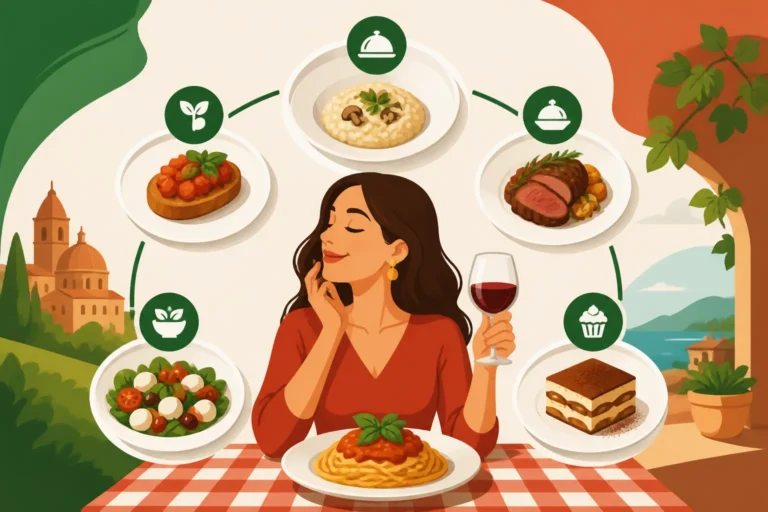
Food is the heartbeat of Italian culture, but it is also a minefield of potential faux pas for the uninitiated. To Italians, eating is a ritual governed by logic and health, and breaking these unspoken rules can lead to confused looks or, worse, a cold reception from your waiter. One of the most significant adjustments for visitors is the strict adherence to timing. You might be used to a midday latte or an early dinner, but understanding What Time Do Italians Eat Lunch and Dinner? is the first step toward blending in.
Coffee Crimes: Why Timing Matters
The most famous Italian coffee rule is the "no milk after 11:00 AM" guideline. For an Italian, a cappuccino or a caffè latte is considered a breakfast drink because the heavy milk content is believed to interfere with digestion if consumed after a meal. Ordering a cappuccino after a heavy lunch of lasagna is seen as a digestive disaster. If you need a caffeine hit in the afternoon, stick to a simple caffè (espresso) or a macchiato (espresso with a tiny drop of milk).
Beyond the milk rule, the way you drink your coffee matters. In local bars, you will notice Italians standing at the counter (the banco). This is the fastest and cheapest way to get your fix. If you sit down at a table in a busy piazza, you will often be charged a significantly higher "table service" price. I have seen many visitors shocked by a ten-euro bill for two coffees because they didn't realize that sitting down essentially means you are renting the real estate.
The Pizza and Pasta Protocol
When it comes to the main course, there are several "dont's" that can mark you as a tourist instantly. First, never ask for pineapple on your pizza; it is a culinary sacrilege in Italy. Second, avoid the urge to cut your long pasta—like spaghetti or tagliatelle—with a knife. Italians use only a fork, expertly twirling the strands against the side of the plate. Using a spoon for assistance is generally reserved for children, so try to master the fork-only twirl if you want to look like a local.
Another common mistake is over-applying parmesan cheese. While it is tempting to dump cheese on everything, you should never put cheese on a pasta dish containing seafood. The strong flavor of the cheese is thought to overwhelm the delicate taste of the fish. Most waiters will not even offer it, and asking for it can be seen as an insult to the chef's balance of flavors. While planning your foodie itinerary, you can use apps like GetYourGuide to find authentic market tours that explain these regional nuances in even greater detail.
Social Etiquette and the Concept of Bella Figura
The concept of Bella Figura, or "beautiful figure," goes far beyond just looking good; it is about projecting dignity, grace, and respect for others. This philosophy dictates everything from how you dress to how you interact with a shopkeeper. Ignoring these social cues won't get you arrested, but it will certainly make your interactions more difficult.
Dressing the Part: Church and Street Style
Italians take pride in their appearance, and "athleisure" is rarely seen on the streets of Milan or Rome. Wearing flip-flops or revealing clothing away from the beach is considered poor form. This is especially true when visiting religious sites. I have watched countless travelers get turned away from the Pantheon or St. Peter's Basilica because their shoulders or knees were exposed. Learning How to Dress for Churches and Religious Sites in Italy is essential to avoid the frustration of being denied entry after waiting in a long queue. Always carry a light scarf to cover up if you are wearing a tank top.
The Tipping Trap: When to Leave Change
Tipping culture in Italy is vastly different from North America or the UK. It is not mandatory, and service staff are paid a livable wage. On your bill, you will often see a coperto, which is a small cover charge for the bread and table setting. Because of this, Tipping in Italy: When, Where, and How Much is a frequent point of confusion. Generally, leaving a few euros or rounding up the bill is appreciated but never expected. Giving a 20% tip can actually be seen as flamboyant or unnecessary.
| Activity | Local Custom | Common Tourist Mistake |
|---|---|---|
| Coffee | Stand at the bar for a quick espresso. | Sitting at a piazza table and expecting bar prices. |
| Dining | Ask the waiter for the bill (il conto). | Expecting the bill to be brought automatically. |
| Greeting | Say "Buongiorno" or "Buonasera" when entering. | Walking into a shop silently. |
| Transport | Validate your ticket in the machine before boarding. | Assuming a purchased ticket is ready for use. |
| Church | Cover shoulders and knees. | Wearing shorts or tank tops. |
Logistics and Transport Mistakes to Avoid
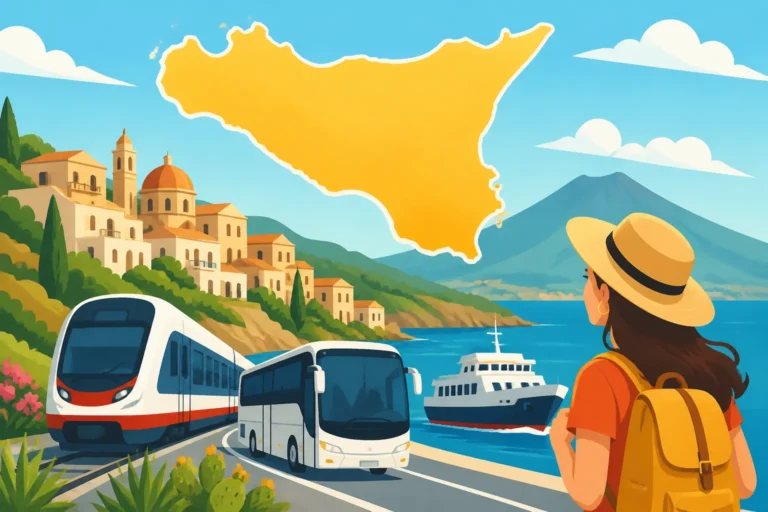
The Italian bureaucracy is legendary, and unfortunately, it extends into the transportation system. Many visitors end up with hundreds of euros in fines because they assumed the rules were the same as back home. Whether you are taking the train or renting a car, attention to detail is your best defense against the "tax on the uninformed."
The Train Ticket Trap: Validation is Non-Negotiable
If you are traveling on regional trains, simply buying a ticket is not enough. You must validate it in the small green or yellow machines on the platform before you step onto the train. These tickets do not have a specific date or time on them, so the validation stamp prevents people from reusing them. If a conductor finds you with an unstamped ticket, they will likely issue an on-the-spot fine of €50 or more, regardless of how much you plead ignorance. Understanding How to Validate a Regional Train Ticket in Italy is one of the most practical things you can do for your wallet. For high-speed trains like the Frecciarossa, validation isn't necessary because you have a reserved seat, and you can easily How to Buy Trenitalia and Italo Tickets and Save Money by booking in advance through platforms like Omio.
Driving Disasters: ZTLs and Fines
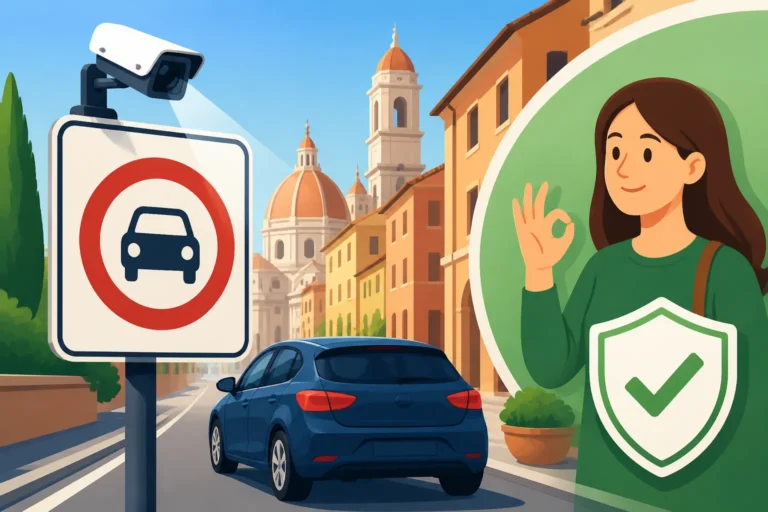
Renting a car is a wonderful way to see the Tuscan countryside, but it becomes a nightmare if you drive into a city center. Most Italian cities have Zone a Traffico Limitato (ZTL), which are restricted areas for residents only. These zones are monitored by cameras, and every time you cross the line, a fine is automatically generated. Many tourists return home only to find a stack of tickets in their mailbox months later. Knowing What Is a ZTL in Italy and How to Avoid Fines is crucial for anyone planning a road trip. My advice? Park your car on the outskirts and use the metro or walk. You can find convenient accommodation near parking hubs on Booking.com to make this transition easier.
Strategic Travel Planning: Avoiding Tourist Pitfalls
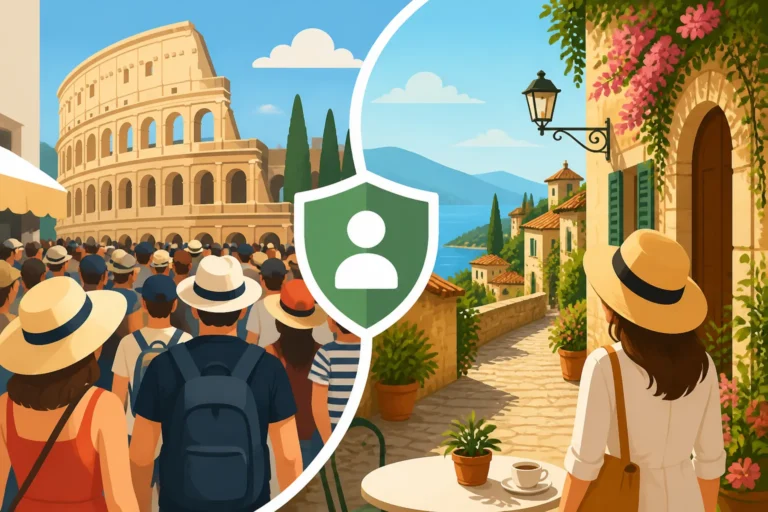
Italy is one of the most visited countries in the world, which means tourist traps and overcrowding are inevitable if you don't plan ahead. Spontaneity is great for a walk through a park, but it is the enemy of a smooth visit to the Colosseum or the Uffizi Gallery.
Booking Blunders: Why Spontaneity Can Fail
If you show up at a major landmark during peak season without a reservation, you might spend four hours of your precious vacation standing in the sun. I always tell my friends to prioritize. You should know How to Skip the Lines at the Colosseum and Vatican by booking timed entry slots weeks in advance. Using services like GetYourGuide can help you secure these spots even when the official sites appear sold out.
Timing also applies to the seasons. Many visitors don't realize that in August, particularly around the 15th, the country almost shuts down for the Ferragosto holiday. Many local restaurants and shops in the cities close as everyone heads to the coast. If you haven't checked What Closes During Italian Holidays and Ferragosto?, you might find your favorite Roman trattoria shuttered for two weeks.
Recognizing Authentic Quality
The "tourist menu" with pictures of food and someone outside calling you in is almost always a sign to keep walking. These places often serve frozen, overpriced versions of Italian classics. The same goes for gelato. If you see mountains of neon-colored gelato piled high in a window, it's likely full of artificial thickeners and air. Real gelato is often kept in metal tins with lids to preserve the temperature and has natural, muted colors. Learning How to Tell Real Gelato From Fake in Italy will save you from a subpar dessert experience.
When moving between cities, remember to stay vigilant. While violent crime is rare, petty theft is common in crowded areas. Staying Safe in Italy: Common-Sense Tips for Travelers involves keeping your bag in front of you on the metro and never leaving your phone on the table at an outdoor cafe.
Disclaimer
This guide is provided for informational purposes only and is based on personal experiences and cultural observations. Regulations, prices, and local laws in Italy can change frequently. Always check with official sources, such as the local Questura or transport authorities, for the most current information regarding fines and requirements.