How to Walk Part of the Via Francigena
Staring at a map of a 1,700-kilometer trail stretching from Canterbury to Rome is enough to make even the most seasoned hiker’s knees buckle before they have even laced up their boots. Most people dream of the spiritual and physical clarity the Via Francigena offers but have neither the three months nor the iron calves required to walk the whole thing. This guide solves that by breaking down exactly how to cherry-pick the most rewarding sections, navigate the unique Italian logistics, and experience the magic of the pilgrim path without the burnout.
Disclosure: This post may contain affiliate links. We may earn a commission at no extra cost to you if you make a purchase through these links. Read full disclosure.
Choosing Your Path: The Most Scenic Sections of the Via Francigena in Italy
The beauty of the Via Francigena is that it is not a monolithic block; it is a tapestry of changing landscapes, and as an expat who has spent years exploring the nooks and crannies of Italy's Regions: A Traveler's Overview, I can tell you that where you start makes all the difference. If you only have five to seven days, you have to be strategic. You do not want to end up walking through an industrial zone outside of Vercelli when you could be traversing the golden wheat fields of the Val d’Orcia. Choosing your section requires balancing your physical fitness with what you actually want to see.
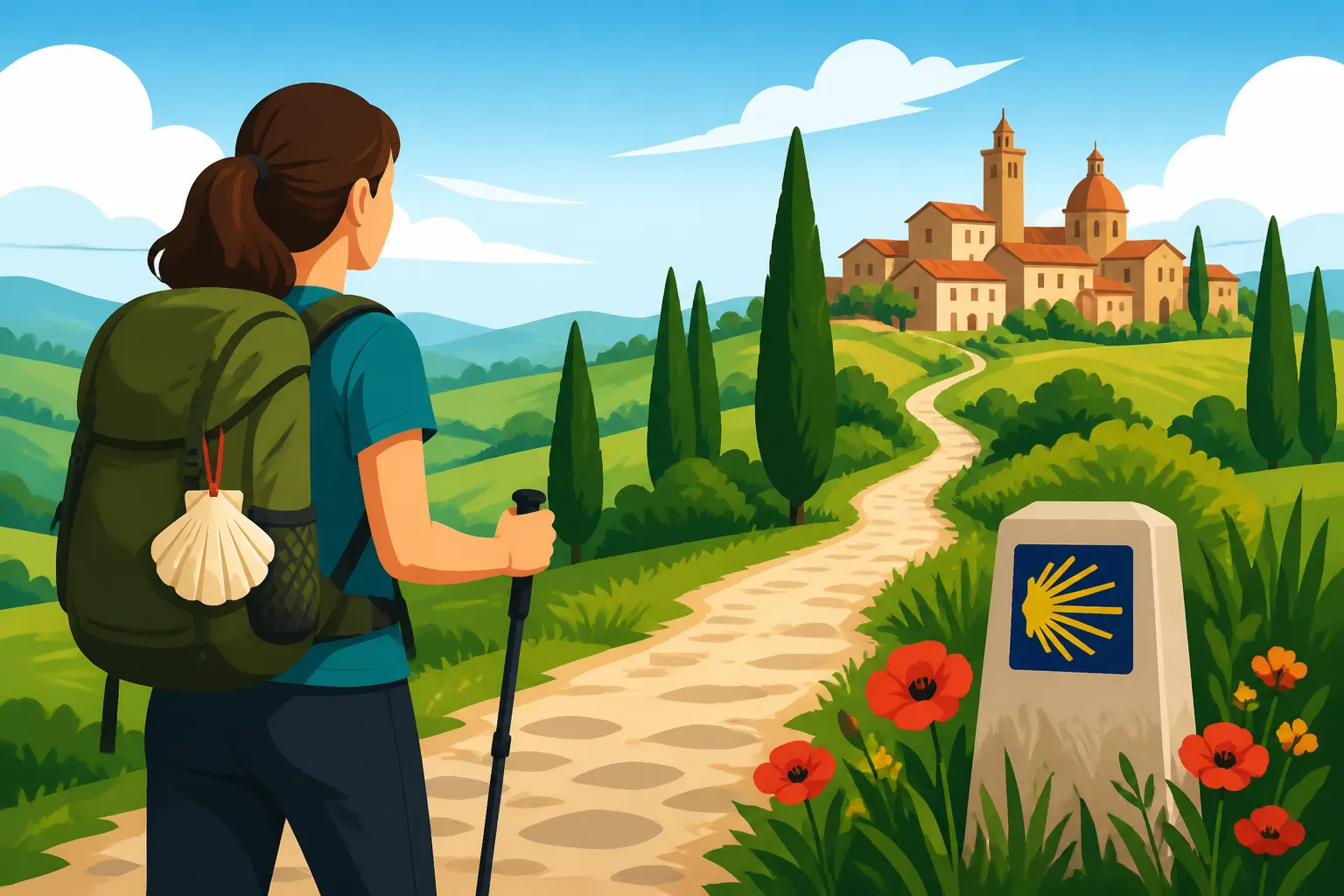
The most iconic stretch, and the one often recommended to first-time visitors, is the Tuscan leg, specifically from Lucca to Siena or Siena to Radicofani. This is the Italy of postcards—rolling hills, cypress-lined avenues, and medieval walled towns that seem to glow at sunset. When you walk from San Gimignano to Monteriggioni, you aren't just hiking; you are stepping back into the 13th century. You’ll find that the infrastructure here is also the most developed for hikers. To get to these starting points easily, I often use Omio to compare regional train prices and bus schedules, as it saves the headache of navigating the sometimes-clunky local transport websites.
However, if you crave solitude and high-altitude drama, the northern entry into Italy via the Great St. Bernard Pass is unparalleled. Walking down into the Aosta Valley feels like entering a different world, where the air is crisp and the architecture reflects a hardy, mountain culture. On the flip side, the final approach through Lazio, starting in Viterbo, offers a profound sense of historical momentum. You pass through ancient Etruscan "sunken roads" (cut deep into the tufa rock) before finally catching your first glimpse of the dome of St. Peter’s from Monte Mario. Each of these sections offers a completely different "flavor" of Italy, and picking the right one ensures you won't feel like you're just trudging along a dusty road.
Essential Logistics: From the Credential to Wayfinding
One of the biggest hurdles for foreigners is understanding that the Via Francigena is a "living" pilgrimage, which means it requires a bit of administrative preparation to get the full experience. The most important document you will carry is the Credenziale del Pellegrino (the Pilgrim’s Passport). This isn't just a souvenir; it is your golden ticket to the "pellegrino" lifestyle. It proves you are a legitimate walker, allowing you access to low-cost pilgrim hostels managed by parishes or local volunteers. You can pick these up at major cathedrals or order them online before you arrive. Stamping your credential at every bar, church, and hostel along the way becomes a daily ritual that connects you to centuries of travelers who did the exact same thing.
Navigating the trail in Italy can be a bit of an adventure in itself. Unlike the highly polished Camino de Santiago in Spain, the Via Francigena’s signage can be a little more "creative." Look for the small yellow pilgrim icons or the red-and-white stripes painted on trees, rocks, and telephone poles. I highly recommend downloading the official Via Francigena app, which works offline. Italian rural areas can have spotty reception, and nothing ruins a morning like realizing you’ve walked three kilometers in the wrong direction because you missed a faded sticker on a stop sign. For those who prefer a more curated experience, you can find guided walking tours through GetYourGuide that cover specific day-stages, providing a safety net if you are worried about the language barrier.
Packing for the Italian terrain is another area where realism must trump aesthetics. You will encounter everything from asphalt roads and gravel "strade bianche" to muddy forest tracks and steep rocky ascents. I cannot emphasize enough the importance of high-quality, broken-in footwear. Also, keep in mind Acclimating to Italian Climate: Heat, Humidity, and Health, as the Italian sun is no joke, especially in the exposed valleys of Tuscany or the plains of Puglia. A lightweight, wide-brimmed hat and a refillable water bottle are non-negotiable. You’ll find "fontanelle" (public fountains) in almost every village square, providing free, icy-cold drinking water—a true godsend during a long July trek.
| Section Name | Starting Point | Ending Point | Avg. Difficulty | Landscape Type |
|---|---|---|---|---|
| The Alpine Entry | Gran San Bernardo | Aosta | Hard | High Mountains/Glaciers |
| The Heart of Tuscany | Lucca | Siena | Moderate | Hills/Vineyards/Forests |
| The Val d'Orcia | Siena | San Quirico d’Orcia | Moderate | Iconic Rolling Wheat Fields |
| The Etruscan Path | Viterbo | Rome | Easy/Moderate | Tufa Canyons/Lakes/Suburban |
| The Southern Way | Benevento | Bari (Extended) | Moderate | Olive Groves/Coastal Plains |
Accommodation and Food: Living the Pilgrim Life
Where you sleep and what you eat will define your memory of the Francigena. For those on a budget or seeking a spiritual connection, the "ospitale" (pilgrim hostels) are the way to go. These are often located in converted monasteries or community centers. They are basic—usually bunk beds in a shared room—but the sense of community is profound. However, after a twenty-kilometer day, you might find yourself craving a bit more comfort. I often mix it up by using Booking.com to find a local agriturismo or a small boutique hotel in the larger towns like Viterbo or Lucca. This gives you a chance to wash your clothes properly and get a full night's sleep in a private room, which can be a literal lifesaver for your morale.
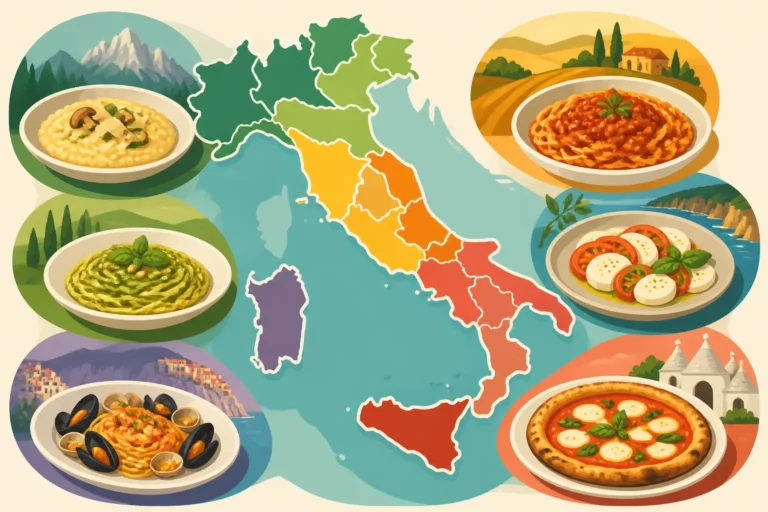
Food is where the Italian section of the pilgrimage truly shines. In many regions, you will find a "Menù del Pellegrino" (Pilgrim’s Menu) at local trattorias. For a fixed price (usually between 15 and 20 Euro), you get a hearty pasta dish, a second course of meat or cheese, water, and wine. It is designed to refuel someone who has burned 3,000 calories. Beyond the set menus, you should dive deep into the local specialties. If you’re in Tuscany, look for Pici all'aglione; in Lazio, don't miss the Porchetta. Understanding Italian Food Culture: Eating Well as a Visitor will help you navigate the unwritten rules of dining, like the fact that most kitchens close between 3:00 PM and 7:30 PM, which can be tricky if you finish your walk mid-afternoon.
One tip I always give fellow expats is to learn a few Survival Italian for Travelers: Key Phrases to Learn First. While many young people in the cities speak English, the grandmother running the village grocery store where you’re buying your midday bread and pecorino likely won't. A simple "Buongiorno" and "Posso timbrare la credenziale?" (Can I stamp my credential?) goes a long way. This is also a great time to practice Italian Customs, Etiquette, and Social Life, as being a "pellegrino" gives you a certain respected status in rural communities. Locals are often incredibly proud of the trail passing through their town and may offer advice or even a piece of fruit as you pass by.
Planning Your Daily Stages and Physical Prep
The biggest mistake I see people make is overestimating their daily mileage. On paper, 25 kilometers sounds doable. On a 32-degree day in the hills of Lazio with a 10-kilogram pack on your back, it is a marathon. When planning your stages, aim for 15 to 20 kilometers per day. This allows you to actually stop and look at the Romanesque churches or enjoy a long lunch in a piazza without feeling like you are racing against the sunset. Remember, the goal isn't just to reach Rome; it’s to experience the path. If you find a particular town enchanting, don't be afraid to stay an extra day. I’ve often found that the most unexpected highlights happen when I deviate from the rigid schedule.
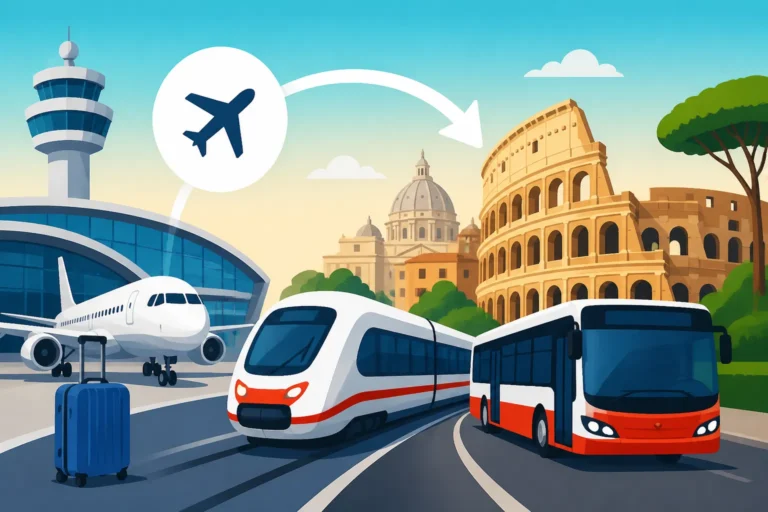
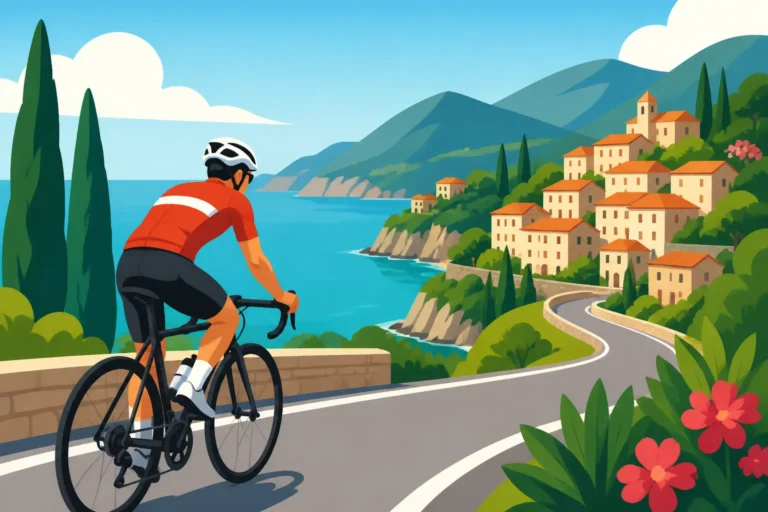
To manage the logistics of getting to your chosen start and end points, Getting Around Italy: Trains, Buses, Flights, and Car Hire is an essential read. Many of the smaller towns on the Via Francigena are served by regional trains where you can often bring your bike if you decide to cycle instead of walk. If you are starting in a remote area, you might need to book a local taxi in advance, as Uber essentially doesn't exist outside of Rome and Milan. Planning your return is just as important. Most walkers finish in Rome and then take the High-Speed Trains in Italy: Trenitalia, Italo, Routes, and Savings back to their original hub or airport.
Finally, prioritize your health. Blisters are the primary "enemy" of the pilgrim. I always carry a small medical kit with Compeed (a specialized blister plaster available in any Italian Pharmacies: Prescription, Over-the-Counter, and Supplies or "farmacia"), antiseptic cream, and ibuprofen. Also, consider Wellness and Preventive Care: Stay Healthy in Italy to keep your energy levels up. Stretching every evening is not a luxury; it’s a necessity to prevent tendonitis. If you listen to your body and respect the rhythm of the trail, walking even a small part of the Via Francigena will become one of the most rewarding things you ever do in Italy. It’s a chance to disconnect from the digital noise and reconnect with the simple, ancient act of putting one foot in front of the other.
Disclaimer
The information provided in this guide is for informational purposes only and reflects the personal experiences and research of the author. Trail conditions, local regulations, and transportation schedules in Italy are subject to change without notice. Always consult official sources such as the Associazione Europea delle Vie Francigene (AEVF) and local authorities before embarking on your journey. Participation in long-distance walking involves physical risks; hikers should ensure they are in good health and have adequate insurance coverage before starting.