Where to Stay in Rome for Families: Quiet Areas With Space
Ah, Rome! The Eternal City, brimming with history, incredible food, and enough charming chaos to make any first-time visitor's head spin. But when you’re traveling with family, that charming chaos can quickly turn into a logistical nightmare, especially when you’re trying to find a place to stay that offers both peace from the bustling streets and enough space for everyone to breathe. This guide is here to walk you through the very real challenges of finding that perfect family haven in Rome and, crucially, how to use platforms like Booking.com to pinpoint those quiet, spacious gems that will make your Roman holiday truly memorable.
Disclosure: This post may contain affiliate links. We may earn a commission at no extra cost to you if you make a purchase through these links. Read full disclosure.
Understanding Family Needs for Rome Accommodation
Let's be honest, traveling with kids is a different beast entirely. Gone are the days of impulse bookings in a tiny, chic hotel room right above a buzzing piazza. Now, you’re thinking about sleep schedules, nap times, snack storage, and the sheer volume of stuff that comes with even the smallest family member. The frantic energy of central Rome, while undeniably captivating, can also be utterly exhausting when you're trying to corral little ones or simply crave a moment of quiet after a long day of sightseeing. Your accommodation choices become paramount to the overall success and enjoyment of your family trip.
The Quest for Quiet Amidst the Chaos
Rome is a city of constant movement, vibrant sounds, and endless discoveries. This is part of its magic, but it can also be its downfall when you're trying to get a toddler to sleep, or simply enjoy a morning coffee without the incessant honking of Vespas. Finding a quiet haven means looking beyond the main arteries and popular squares. You might think, "But I want to be in the action!" and I get it, I really do. But consider this: is the "action" worth constant noise, crowded pavements right outside your door, and potentially sleepless nights for the kids (and thus, for you)?
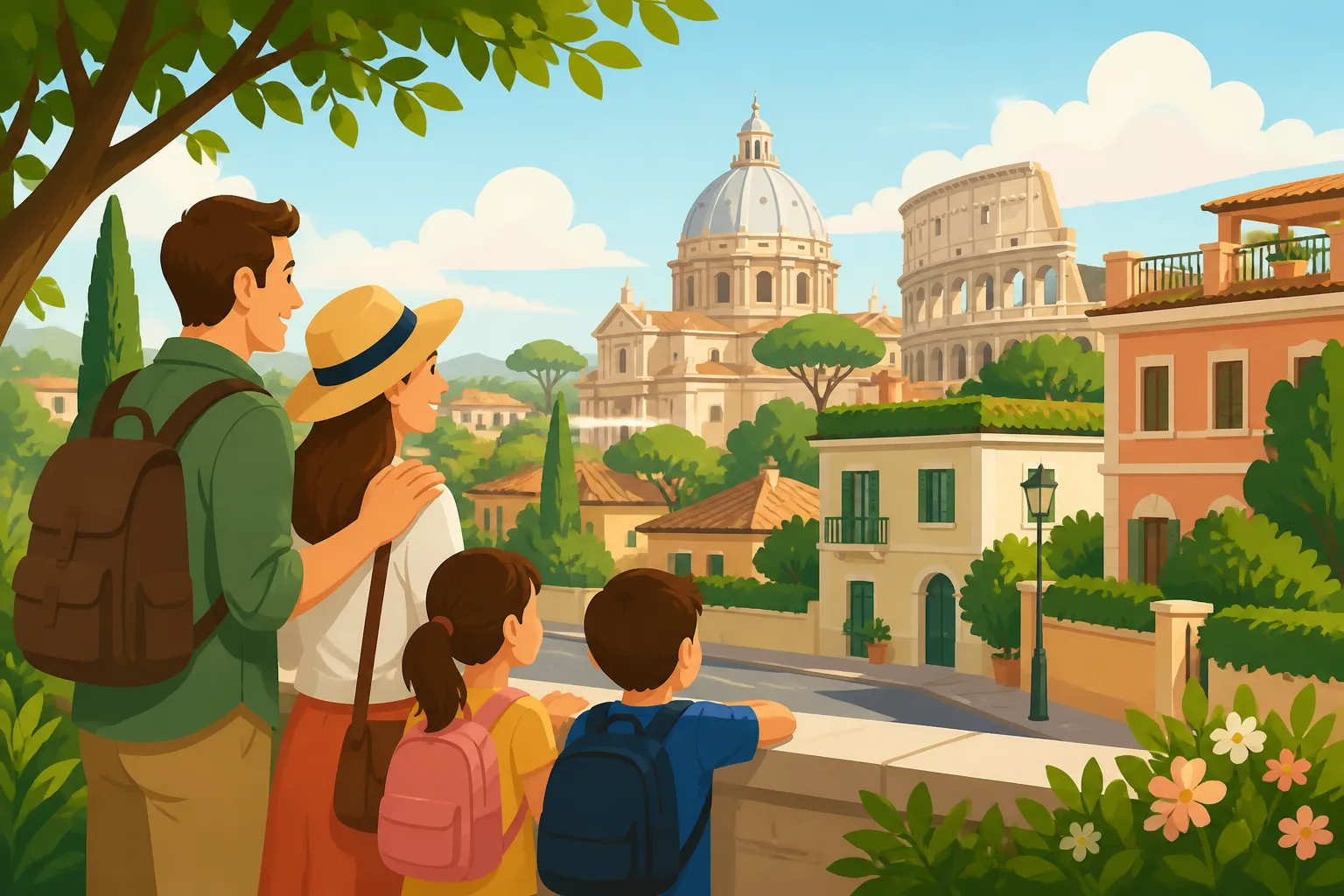
Often, the truly serene spots are just a few blocks away from the main tourist hubs, tucked into quieter side streets or nestled in residential areas. These locations offer a double benefit: a peaceful retreat when you need it most, and a more authentic glimpse into Roman daily life. Imagine waking up to the gentle chirping of birds instead of street sweepers, or enjoying an evening stroll where locals walk their dogs instead of dodging selfie sticks. This is the Rome that truly lets you unwind, even after a day navigating the Colosseum with a stroller. The trick is knowing where these pockets of tranquility exist and then leveraging tools like Booking.com to zero in on properties within them that explicitly mention "quiet street," "garden view," or "soundproofed rooms" in their descriptions and reviews.
The Importance of Space and Practical Amenities
Tiny Italian hotel rooms, while often charming, are rarely designed with families in mind. Two adults, two children, and all their luggage in a 20-square-meter room? That's a recipe for disaster and short tempers. Space becomes a luxury, not just for sleeping, but for living. Kids need room to play, parents need a corner to relax, and everyone needs space to unpack without tripping over suitcases. This is where apartments and aparthotels truly shine, offering separate bedrooms, living areas, and often a full kitchen.
Beyond sheer square footage, think about practical amenities. A washing machine can be a lifesaver, especially with younger children. A kitchen or kitchenette allows for preparing simple breakfasts or dinners, saving money and accommodating picky eaters or dietary restrictions. An elevator, while seemingly minor, is a godsend if you have strollers or tired kids (and parents!) after climbing Roman hills all day. Air conditioning is non-negotiable during Rome’s scorching summers. And let's not forget reliable Wi-Fi for winding down with a movie or keeping up with remote work. When browsing Booking.com, always use the filter options extensively – look for "kitchen," "washing machine," "family rooms," "air conditioning," and "elevator access." These filters will quickly narrow down your choices to properties that genuinely meet your family's functional needs, transforming your stay from a struggle into a seamless experience.
Balancing Centrality with Serenity
This is the eternal dilemma for any traveler, but especially for families in Rome. You want to be close enough to the iconic sights like the Pantheon, Trevi Fountain, or the Vatican, but far enough away to escape the throngs. The good news is that Rome’s public transport system, while sometimes a bit of an adventure, is quite extensive. This means you don't have to stay directly next to the Colosseum to easily access it.
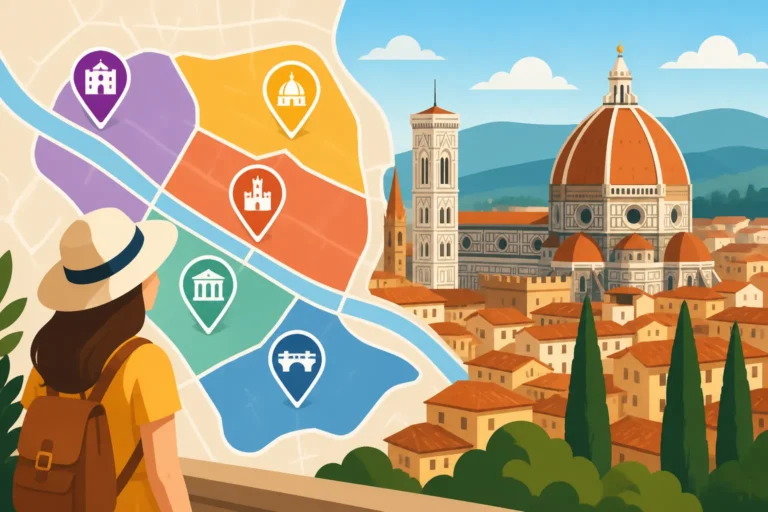
Often, the sweet spot lies in neighborhoods that are well-connected by metro or bus lines, but themselves are residential and calmer. Think about areas that are a 15-20 minute bus ride to a major attraction, rather than a 5-minute walk. This short commute time offers a buffer zone from the tourist circus, allowing you to venture out into the excitement when you're ready and retreat to your peaceful abode when you’ve had enough. Prioritizing proximity to metro stations or major bus stops can greatly expand your options for serene, spacious accommodations while still keeping Rome's wonders within easy reach. Don't be afraid to check the map view on Booking.com to see exactly where a potential property sits relative to public transport links and key landmarks. This visual context is invaluable for making an informed decision. Remember, you can always explore the city with ease using Getting Around Italian Cities: Metro, Tram, and Buses.
Top Family-Friendly Neighborhoods in Rome for Peace and Space
Now, let's get down to the nitty-gritty: where specifically should you be looking? Rome is vast, and each quartiere (neighborhood) has its own distinct personality. For families prioritizing quiet and space, certain areas truly stand out. These aren't necessarily the cheapest options, but they offer the best balance of residential comfort, safety, and connectivity to make your family trip enjoyable.
Aventine Hill and Testaccio: Historic Charm and Tranquil Views
Aventine Hill (Aventino): Ah, the Aventine! One of Rome's seven hills, it's known for its stunning views, lush gardens, and remarkably serene atmosphere. It feels like a world away from the clamor of the city center, yet it's surprisingly accessible. Here, you'll find elegant residential streets, charming villas, and beautiful churches. It's safe, leafy, and boasts some incredible viewpoints, like the famous "Keyhole" (Knights of Malta Keyhole) offering a unique peek at St. Peter's Basilica. Families will appreciate the lack of intense traffic and the general feeling of calm. There are also lovely parks where kids can run around freely, such as the Giardino degli Aranci (Orange Garden) and the Roseto Comunale (Rose Garden). The walk up can be a bit steep, but the reward is worth it.
Testaccio: Just below the Aventine, Testaccio offers a more authentic, gritty, and lively Roman experience, but still manages to provide pockets of quiet. Historically a working-class neighborhood, it's famous for its incredible food scene, including the bustling Testaccio Market – a fantastic spot for families to grab fresh produce, local cheeses, and delicious street food. While some parts can be vibrant, especially around the market, many of its residential streets are surprisingly calm and residential. You'll find a mix of traditional apartments and some renovated family-friendly options here. The connectivity is good, with metro line B (Piramide station) and several bus lines, making it easy to reach the Colosseum, Circus Maximus, and other central sites without being directly in the thick of it. Plus, the pyramid of Cestius and the non-Catholic cemetery offer interesting, less crowded historical sights for exploration. On Booking.com, you'll discover a variety of lovely apartments here, perfect for families seeking both space and an authentic slice of Rome.
Monteverde Vecchio and Gianicolense: Green Spaces and Local Living
Monteverde Vecchio: Perched on the Gianicolo Hill, Monteverde Vecchio is another fantastic, largely residential area that offers breathtaking panoramic views of Rome. It’s a bit further out from the absolute center, which is precisely why it’s quieter and offers more space. This neighborhood is known for its beautiful villas, large apartments, and green spaces, most notably the sprawling Villa Doria Pamphilj, Rome's largest landscaped public park. Imagine having a massive park like that within walking distance for the kids to truly stretch their legs! Monteverde Vecchio maintains a strong local feel with neighborhood shops, cafes, and trattorias, meaning you'll find more authentic prices and experiences. It’s well-connected by tram (lines 8 and 3) and bus lines, providing direct routes to Trastevere, Largo Argentina, and Piazza Venezia, making it easy for families to navigate the city without being overwhelmed by crowds right outside their door.
Gianicolense: Adjacent to Monteverde Vecchio, the wider Gianicolense area shares many of its benefits. It's a large, predominantly residential district with plenty of apartment buildings suitable for families. While it might lack the immediate "wow" factor of ancient ruins, it compensates with a relaxed atmosphere, a strong sense of community, and numerous local amenities. You'll find excellent schools, playgrounds, and medical facilities here, giving it a true "living like a local" vibe. The Gianicolo Hill itself offers stunning evening views, complete with a cannon firing ceremony at noon – a fun, free activity for kids. Accommodation here tends to be more spacious and affordably priced than in the hyper-central areas, and still offers good bus connections to the historic center. For a family seeking a genuine Roman experience without the relentless tourist buzz, these neighborhoods offer a wonderful balance. Remember, a reliable mobile plan is essential for navigating new areas, so consider Choosing a Cell Phone Plan in Italy before you arrive.
Parioli and Flaminio: Upscale Comfort and Parks
Parioli: If you're looking for an upscale, elegant, and decidedly green neighborhood, Parioli is your answer. Located north of the Villa Borghese park, Parioli is one of Rome's most affluent residential districts. Here, you'll find wide, tree-lined avenues, grand apartment buildings, and a sophisticated atmosphere. It’s exceptionally safe, clean, and quiet, making it ideal for families who appreciate comfort and serenity. The main draw for families is its proximity to two of Rome's largest parks: Villa Borghese and Villa Ada. These parks offer vast green spaces for picnics, bike rides, playgrounds, and even boat rentals. While Parioli doesn't have a metro line directly through its heart, it's well-served by trams and buses that connect you efficiently to the city center and other key areas. You'll find excellent local shops, high-quality restaurants, and a relaxed pace of life here. Accommodation in Parioli tends to be on the higher end, but you'll get significant space and amenities in return.
Flaminio: Situated alongside the Tiber River and bordering Parioli, Flaminio is a fascinating mix of residential areas, modern architecture, and cultural institutions. It's perhaps best known for MAXXI (National Museum of 21st Century Arts) and the Auditorium Parco della Musica. Like Parioli, it's a very green area, benefiting from the proximity to Villa Borghese. Flaminio offers a more diverse range of accommodation, from elegant apartments to modern flats, often with more contemporary facilities. It’s calmer than the historical center but vibrant enough with local shops, cafes, and a more modern feel. The tram line 2 offers excellent connectivity to Piazza del Popolo and the city center. Families will appreciate the open spaces, the cultural offerings for older kids, and the general feeling of being in a "real" Roman neighborhood away from the immediate tourist crush. When searching on Booking.com for these areas, remember to set your price range and apply those "family room" or "apartment" filters to quickly find suitable options.
Trastevere Northern Part and Campo de' Fiori Outskirts: Lively but Manageable
Trastevere (Northern Part): Now, Trastevere can be a tricky one. The heart of Trastevere, particularly around Piazza di Santa Maria in Trastevere, is incredibly charming but also incredibly lively, especially in the evenings. It's full of buzzing restaurants, bars, and a constant stream of tourists. However, if you venture into the northern part of Trastevere, closer to the Gianicolo Hill or the Botanical Garden, you can find quieter, more residential streets. Here, the charming cobblestones remain, but the late-night revelry fades. You’re still within easy walking distance of the historic center (across the bridges to Campo de' Fiori or even the Pantheon), but you get a much-needed break from the noise. This area offers beautiful views, local shops, and a more authentic feel during the day.
Campo de' Fiori (Outskirts): Similarly, staying directly on Campo de' Fiori square itself is a recipe for noise and crowds, given its famous market by day and lively bars by night. However, the outskirts of Campo de' Fiori, meaning a few blocks away in any direction, can offer a surprisingly good balance. Think streets leading towards Piazza Navona but not right on it, or towards the Jewish Ghetto area. You’re incredibly central, with most major sights walkable, but you gain a significant degree of quiet. These side streets often house lovely apartments that cater to families, and you're still surrounded by local life, fantastic restaurants, and charming boutiques. The key here is to meticulously check the location on Booking.com's map and read reviews for mentions of street noise. For an authentic dining experience in these areas, make sure to check out How to Find Authentic Restaurants in Italy (Not Tourist Traps) and plan your meals around What Time Do Italians Eat Lunch and Dinner?.
Here's a quick comparison of these family-friendly Roman neighborhoods:
| Neighborhood | Vibe | Best For | Key Attractions/Features | Proximity to Center (Walk/Bus) |
|---|---|---|---|---|
| Aventine Hill | Elegant, tranquil, exclusive | Serenity, stunning views, romantic walks, upscale comfort | Giardino degli Aranci, Knights of Malta Keyhole, Circus Maximus | 15-20 min walk/bus to Colosseum/Bocca della Verità |
| Testaccio | Authentic, foodie, local, vibrant | Local experience, amazing food, market culture, good connectivity | Testaccio Market, Monte dei Cocci, Piramide Cestia | 10-15 min bus to Colosseum, direct Metro B access |
| Monteverde Vecchio | Residential, green, panoramic views | Space, nature (parks), local living, authentic Roman feel | Villa Doria Pamphilj, Gianicolo Hill (cannon) | 15-25 min tram/bus to Trastevere/Largo Argentina |
| Gianicolense | Local, quiet, family-oriented | Budget-friendly space, community feel, playgrounds | Villa Doria Pamphilj, local amenities | 20-30 min bus to Trastevere/central areas |
| Parioli | Upscale, sophisticated, very quiet, green | Luxury, ultimate tranquility, large apartments, proximity to major parks | Villa Borghese, Villa Ada, high-end shops | 15-20 min bus/tram to Piazza del Popolo/Spanish Steps |
| Flaminio | Modern, cultural, green, residential | Modern comfort, cultural venues, open spaces, good connections | MAXXI, Auditorium Parco della Musica, Ponte della Musica | 10-15 min tram to Piazza del Popolo |
| Trastevere (N. Part) | Charming, historic, lively (but quieter here) | Classic Roman charm, walking to center, good restaurants | Botanical Garden, local artisans, proximity to Lungotevere | 10-15 min walk to Campo de' Fiori/Jewish Ghetto |
| Campo de' Fiori (Outskirts) | Extremely central, historic, walkable | Maximum centrality, walking to all major sights, apartment options | Close to Pantheon, Piazza Navona, Jewish Ghetto | 5-10 min walk to most central sights |
Accommodation Types and Amenities for Families
Once you’ve got a handle on the neighborhoods, it’s time to think about the actual roof over your head. As a veteran expat, I can tell you that the right type of accommodation makes all the difference when traveling with kids. It’s not just about a bed; it’s about a functional space that supports your family's rhythm.
Apartments and Vacation Rentals: Your Home Away From Home
For families, apartments are often the undisputed champions of accommodation in Rome. Why? Because they offer something invaluable: space and flexibility. Instead of cramming into a single hotel room, an apartment gives you separate sleeping areas (a godsend for parents who don't want to go to bed at 8 PM), a living room for relaxing, and most importantly, a kitchen.
Having a kitchen, even a small one, is a game-changer. You can prepare breakfasts before heading out, pack lunches for your sightseeing adventures, and even cook simple dinners when everyone is too tired to eat out. This not only saves a significant amount of money (because let's face it, eating out three times a day for a family adds up rapidly – check out Cost of Living in Italy 2026: Budgeting for Expats), but it also allows you to cater to specific dietary needs or picky eaters. Plus, there’s nothing quite like returning to what feels like your own Roman home after a day of exploring, especially when you can throw in a load of laundry. Many apartments also come with a washing machine, which, trust me, is a luxury you never knew you needed until you have it. When you're browsing Booking.com, always filter for "apartments" or "vacation rentals" and make sure to read the detailed descriptions and look at all the photos to confirm the layout and available appliances.
Hotels with Family Suites or Connecting Rooms
While apartments are often ideal, sometimes the convenience and services of a hotel are still appealing. The key here is to look specifically for hotels that cater to families. This means searching for "family suites," which usually offer a separate bedroom for parents and a living area with a sofa bed or bunk beds for kids, or "connecting rooms." Connecting rooms can be particularly great for families with older children, providing privacy for everyone.
The benefits of a hotel include daily cleaning, a reception desk for questions and assistance, and often on-site amenities like a breakfast buffet (another money-saver and time-saver for busy mornings), or sometimes even a small garden or pool (though pools are rare in central Rome and often come with a hefty price tag). Many hotels also offer cribs or extra beds upon request, making things easier for those with very young children. When using Booking.com, filter by "family rooms" or "suites" and then check individual hotel pages for details on room configurations. Don't hesitate to use the "special requests" box during booking to confirm specific needs like a crib or connecting rooms, ensuring the property is fully aware of your family's requirements. For those considering various Accommodation in Italy: Hotels, B&Bs, and Agriturismi, it's vital to assess which type best suits the family's dynamic.
Essential Amenities for a Stress-Free Stay
Beyond the type of accommodation, certain amenities can significantly elevate your family’s comfort and convenience. Make sure to tick these boxes when filtering your search:
- Air Conditioning: Rome summers are hot. I can't stress this enough. Unless you're traveling in the cooler months, AC is non-negotiable for comfortable sleep and mid-day breaks.
- Wi-Fi: Essential for planning your days, keeping kids entertained, and staying connected. A strong, reliable connection is paramount, especially if you need to use Mobile Data and eSIMs for Travel in Italy.
- Elevator/Lift: Many historic Roman buildings lack elevators. If you have strollers, heavy luggage, or mobility issues, stairs can quickly become a nightmare. Always check for elevator access, particularly if you're on a higher floor.
- Washing Machine: As mentioned, a huge convenience for families. Look for this in apartment rentals.
- Outdoor Space: A balcony, terrace, or small garden can be invaluable for kids to burn off some energy, or for parents to enjoy a quiet glass of wine after bedtime.
- Soundproofing: Read reviews on Booking.com carefully for mentions of noise levels. Some properties specifically highlight soundproofed windows, which can be a lifesaver on a busy street.
- Proximity to Public Transport: Even if you choose a quieter neighborhood, good transport links are crucial for getting around with ease.
- Proximity to Green Spaces/Playgrounds: Parks are a fantastic resource for kids to play and let off steam. Knowing there's one nearby can make a huge difference.
By carefully selecting for these amenities on Booking.com, you can curate a list of properties that genuinely support a comfortable and stress-free family vacation in Rome.
Navigating the Booking Process for Family Stays in Rome
Finding the perfect family accommodation in Rome can feel like a quest, especially when you’re sifting through countless options. But with the right tools and strategies, it becomes much more manageable. This is where a robust platform like Booking.com truly becomes your best ally.
Why Booking.com is Your Best Friend for Family Stays
I’ve used countless booking sites over the years, and for family travel, Booking.com consistently comes out on top for several reasons. First, its sheer volume of listings is immense. From budget-friendly apartments to luxurious family suites, you’ll find a huge range of choices in every neighborhood. This broad selection is crucial when you have specific needs like multiple bedrooms or a full kitchen.
Second, the filter system is incredibly powerful and intuitive. You can filter by "Family rooms," "Apartments," "Kitchen," "Washing machine," "Air conditioning," "Pet-friendly" (if you're bringing Fido), and even "Balcony" or "Terrace." This allows you to quickly narrow down thousands of options to a manageable list that genuinely fits your family's criteria for space and amenities. It saves hours of sifting through irrelevant properties.
Third, and perhaps most importantly, are the user reviews. Families often leave detailed feedback about how suitable a property was for children, mentioning things like noise levels, available space, proximity to parks, and whether the staff were welcoming to kids. These honest, first-hand accounts are gold. When a property gets consistently high marks from other families, it's a strong indicator that it will work for yours. Booking.com’s review system also allows you to filter reviews by "families with young children" or "families with older children," giving you even more tailored insights. So, don't just glance at the star rating; dive into those reviews to truly understand what past guests experienced.
Utilizing Filters and Reviews for Family Accommodation
Let's walk through a hypothetical search on Booking.com for a family of four (two adults, two kids aged 5 and 10) looking for a quiet, spacious place in Rome.
- Enter Destination and Dates: Standard first step.
- Select Number of Guests: Crucially, specify 2 adults and 2 children, along with their ages. This automatically filters out rooms that can't physically accommodate your family.
- Initial Search Results: You'll likely see thousands. Don't panic!
- Apply Key Filters: On the left-hand side, start ticking boxes:
- "Property Type": Select "Apartments," "Aparthotels," or "Hotels" (if you're open to family suites).
- "Amenities": This is where you go wild. "Air conditioning," "Kitchen/Kitchenette," "Washing machine," "Private bathroom," "Free WiFi." If an elevator is crucial, check for that under "Facilities" or read descriptions.
- "Distance from center": You can set a maximum distance, but I recommend using "Show on map" later.
- "Review Score": I always start with "Very good (8+)" to ensure a baseline quality.
- "Bed Preference": If you need specific bed types, though for apartments it's usually less critical.
- Refine by Location (Map View): Once you have a filtered list, click "Show on map." Now, you can visually explore the neighborhoods we discussed earlier (Aventine, Testaccio, Monteverde, Parioli, Flaminio, Trastevere's quieter edges). Zoom in on promising areas and see the exact location of the filtered properties. Look for green spaces (parks!) and public transport stops.
- Dive into Reviews: For each promising property, open its page and scroll down to the reviews. Pay close attention to comments about:
- Noise: Are people mentioning quiet streets or conversely, loud bars nearby?
- Space: Do they confirm there was plenty of room for a family?
- Kid-friendliness: Did staff go above and beyond for children? Were there any specific facilities for kids?
- Accessibility: Is it easy to get to with a stroller?
- Kitchen functionality: Was it well-equipped?
This methodical approach using Booking.com’s powerful features will significantly streamline your search for the perfect family base in Rome.
Understanding Cancellation Policies and Special Requests
When booking family travel, flexibility is key. Kids get sick, plans change, and sometimes you just need to adjust. Booking.com typically displays cancellation policies very clearly, usually offering options for "free cancellation" up to a certain date. Always, always opt for free cancellation if possible, even if it means paying a tiny bit more upfront. The peace of mind is priceless. If you choose a non-refundable rate, make sure you are 100% confident in your plans and ideally have robust travel insurance.
Furthermore, utilize the "Special Requests" box during the booking process. This is where you can communicate specific needs to the property directly. For example: "Traveling with two children, one requires a crib. Please ensure the room is as quiet as possible as our youngest is a light sleeper." Or "We would appreciate a room on a lower floor if an elevator is not available." While not guaranteed, these requests are often accommodated, and it gives the property a heads-up to better prepare for your arrival. This proactive communication can make a significant difference to your family’s comfort. Remember, in case of any emergencies during your trip, it's good to know What to Expect at an Italian Pronto Soccorso Visit.
Tips for a Smooth Family Stay in Rome
Even with the perfect accommodation, a family trip to Rome still requires some strategic planning to ensure it goes off without a hitch. As someone who’s navigated these streets with little ones in tow, I can tell you a few insider tips that will make your life a lot easier.
Proximity to Public Transport and Parks
As we've touched upon, choosing a neighborhood based on its tranquility is a great first step, but that tranquility shouldn't come at the cost of being isolated. Rome's public transportation network – a mix of metro, trams, and buses – is your family’s lifeline. Being within a 5-10 minute walk of a major bus stop or a metro station will significantly cut down on the whining (from both kids and adults) and make daily excursions much smoother. Consider investing in a multi-day public transport pass, which can be a more cost-effective and convenient option than buying single tickets every time. When checking your chosen accommodation on Booking.com, always cross-reference its location with Google Maps to see the nearest public transport links and estimated travel times to key attractions. This visual check is invaluable. You can learn more about navigating the city in Public Transportation in Italian Cities: A Guide.
Equally important are nearby green spaces. Rome has some magnificent parks, like Villa Borghese, Villa Doria Pamphilj, and the Giardino degli Aranci. After hours of shuffling through museums or navigating crowded piazzas, children (and adults!) desperately need space to run, climb, and simply be loud without disturbing others. Knowing there’s a park or even a small piazza with a playground within walking distance of your accommodation is a huge advantage. It provides a much-needed break from structured sightseeing and allows kids to recharge. This is particularly true for Family Travel in Italy: Kid-Friendly Cities and Activities, where downtime and play are as important as historical sights.
Planning Meals and Groceries with Kids in Mind
Italian food is legendary, but sometimes even the most adventurous eaters can get tired of pizza and pasta, or simply need something familiar. This is where having a kitchen or kitchenette in your apartment or family suite becomes invaluable.
Before you arrive, locate nearby supermarkets or local alimentari (grocery stores) using Google Maps. You can stock up on breakfast cereals, milk, yogurt, fruit, snacks, and even ingredients for simple pasta dinners. This strategy can save you a significant amount of money and time, especially on busy mornings or evenings when everyone is tired. Rome also has some fantastic local markets, like the aforementioned Testaccio Market or the bustling Mercato Trionfale, where you can find fresh produce and local delicacies. Exploring Grocery Shopping in Italy: Supermarkets vs Markets can give you even more insights.
When dining out, look for trattorias or pizzerias that cater to families. These are often more casual, welcoming of children, and offer simpler, kid-friendly dishes. Don't be afraid to ask for a "mezza porzione" (half portion) or just a "pasta al pomodoro" (pasta with tomato sauce) for the little ones. Learning a few basic Italian phrases for ordering food can also go a long way. Having snacks and drinks on hand while out exploring is also essential to prevent meltdowns!
Dealing with Unexpected Issues
Even the best-planned family trips can hit a snag. A scraped knee, a lost phone, or a sudden change in plans. Being prepared can alleviate a lot of stress.
First, always have a small first-aid kit with you: band-aids, antiseptic wipes, pain relievers (for both kids and adults), and any prescription medications. Know the emergency numbers: 112 for general emergencies, which covers police, ambulance, and fire services. If it's a non-emergency but you need medical advice, your accommodation staff can usually direct you to a local farmacia (pharmacy), which are highly knowledgeable and can often recommend basic remedies or even refer you to a doctor.
Second, consider purchasing travel insurance that covers medical emergencies, trip cancellations, and lost luggage. It’s a small investment that can save you a fortune and immense heartache if something goes wrong.
Finally, empower yourself with local knowledge. Before you leave home, download offline maps of Rome (Google Maps allows this) so you always know where you are, even without Wi-Fi. Have key addresses (your accommodation, the nearest pharmacy, the nearest major hospital) written down or saved offline. And remember, most Romans are incredibly kind and helpful, especially when they see a family in need. A smile and a polite "Mi scusi, parla inglese?" (Excuse me, do you speak English?) can open many doors. Being resourceful and having your information readily available, potentially on your phone with reliable data, will make navigating any unexpected hiccup much smoother.
Rome truly is a magical city for families, but it demands a different approach to travel. By choosing quiet, spacious accommodation in family-friendly neighborhoods through a reliable platform like Booking.com, and planning your days with a focus on ease and comfort, you’ll unlock an Italian adventure that creates cherished memories for years to come. Buon viaggio!
Disclaimer
The information provided in this guide is intended for general informational purposes only and does not constitute professional advice. While we strive to provide accurate and up-to-date information, circumstances in Italy can change rapidly. Readers are advised to verify all details, especially regarding travel regulations, visa requirements, accommodation availability, and local services, with official sources or relevant authorities before making any decisions. We assume no responsibility for any loss or damage incurred as a result of relying on this information.