What Time Does Nightlife Start in Italy?
You’ve dressed up, left the hotel at 8:00 PM, and found the bar empty, the bartender polishing glasses, and a club bouncer telling you to come back “più tardi.” Many first-time visitors and new expats in Italy get the timing wrong this way. This guide explains when Italian nightlife actually starts, how it differs by city and season, and how to plan your evening.
Disclosure: This post may contain affiliate links. We may earn a commission at no extra cost to you if you make a purchase through these links. Read full disclosure.
The Typical Italian Night Out, Hour by Hour
When I first moved to Italy, I treated a night out like I would back home. I had an early dinner, a few drinks, and expected to be in bed by midnight. Within a month I had learned that Italians don’t “go out” in a single block. The evening happens in stages, and each stage has its own rhythm, places and unwritten rules. Once you understand the sequence, the lateness makes sense.
Here is the general shape of an evening in a mid-to-large Italian city on a Friday or Saturday. Treat these times as typical patterns, not fixed rules. A university town on a Thursday and a sleepy borgo on a Tuesday will feel very different.
| Stage | Typical Time | What Happens | Expat Tip |
|---|---|---|---|
| Aperitivo | 7:00 PM to 9:00 PM | A drink with snacks, standing or at outdoor tables | Arrive early to get a table in popular piazzas |
| Dinner | Around 8:30 PM in the north, 9:00 PM or later in the south | A sit-down meal that is rarely rushed | Book ahead on weekends, especially for groups |
| Bars | After 9:30 PM | Wine bars, cocktail bars and piazza crowds build up | This is when a neighborhood’s real mood shows |
| Pubs | Around 10:00 PM, later than bars | Beer-focused venues fill with students and sports fans | Expect a busier, louder scene than at wine bars |
| Clubs | Doors around midnight, real crowd from 1:00 AM | Discoteche fill up and peak between 1:00 AM and 3:00 AM | Arriving at midnight often means an empty dance floor |
| Wind-down | Toward 4:00 AM | Clubs close, people look for a late snack before heading home | Plan your ride home before you leave the club |
Aperitivo Kicks Things Off
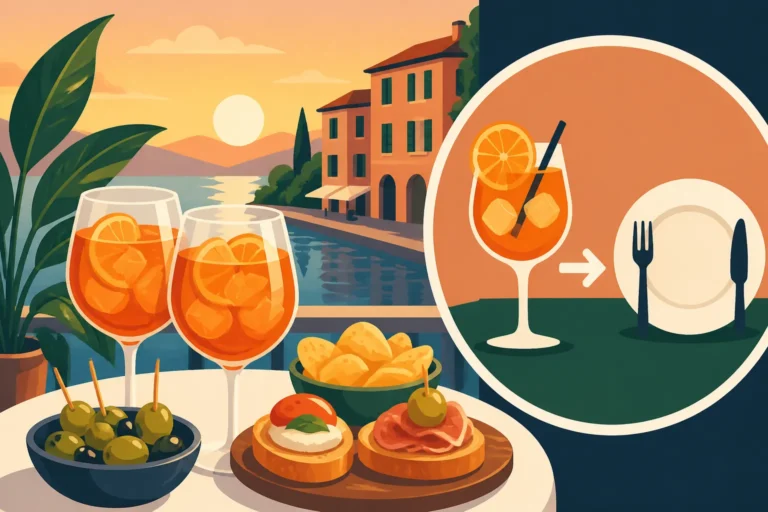
The evening starts with aperitivo, roughly between 7:00 PM and 9:00 PM. It is the social warm-up. You order a Spritz, a Negroni, a glass of prosecco or something non-alcoholic, and you get snacks with it. Depending on the bar, that might be a small bowl of olives and crisps or a full buffet. Italians use this time to catch up with colleagues after work, meet friends before dinner, or simply sit outside and watch the street.
The most common newcomer mistake is treating aperitivo as the main event and drinking heavily. Locals don’t do that. Aperitivo is meant to open the appetite, not end the evening. If you want to understand the ritual properly, including what to order and how the snacks work, see What Is an Aperitivo and How Do You Order One? and our companion piece How to Drink Like a Local in Italy: Spritz, Negroni, and More.
Some bars, especially in Milan and Turin, offer a heavier version with substantial food that can replace dinner entirely. That is a budget-friendly option for students and anyone travelling cheaply. For that variant, see What Is Apericena and Where to Find It.
Dinner Comes Later Than You Think
After aperitivo comes dinner, and it is not quick. In northern cities like Milan, Turin and Bologna, restaurants start filling around 8:30 PM. In Rome, Naples, Palermo and much of the south, 9:00 PM or later is normal. I once booked a 7:30 PM table in Naples and had the restaurant almost entirely to myself, apart from a German couple who gave me a knowing look.
A relaxed Italian dinner easily lasts two hours. Nobody will bring the bill until you ask for it, so the meal ends whenever the table decides it is over. That is the main reason the rest of the night starts so late. If you want to sync up with local meal timing more generally, see What Time Do Italians Eat Lunch and Dinner?.
Bars, Pubs and Clubs Fill in Waves
After dinner, the city starts to move. Bars get lively after 9:30 PM. People drift from restaurants into cocktail bars, enoteche and the piazzas outside them. In many Italian cities, the piazza is the nightlife. You will see crowds standing outside with drinks, talking, and flowing between three or four bars on the same square.
Pubs fill around 10:00 PM, later than bars. Italian pubs, the “pub” or “birreria” style places, are popular with students, younger crowds and anyone watching a football match. They tend to get busy once the post-dinner bar crowd is looking for somewhere louder with more beer on tap.
Clubs, or discoteche, run on a much later clock. Doors usually open around midnight, but the real crowd doesn’t arrive until 1:00 AM, and the peak is between 1:00 AM and 3:00 AM. Things wind down toward 4:00 AM. If you arrive at midnight with your friends, you may be one of a dozen people on a huge dance floor while the DJ warms up for nobody.
How Nightlife Start Times Change by City and Season
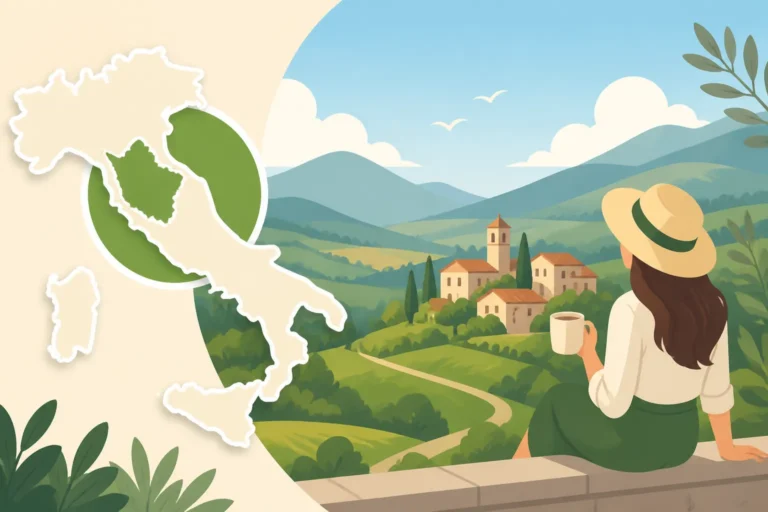
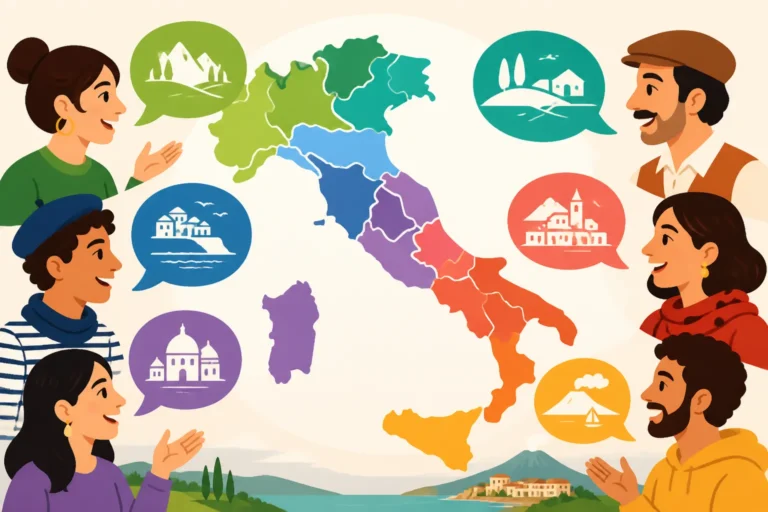
Italy is not one country when it comes to going out. The north and the south have different body clocks, and university towns don’t behave like tourist hubs. Summer also reshuffles the whole map. For a deeper look at which cities go hardest after dark, see Nightlife in Italy: Cities That Stay Up Late.
| City or Area | General Timing | Where Locals Go | Character of the Night |
|---|---|---|---|
| Milan | Slightly earlier, aperitivo-driven | Navigli, Brera, Isola, Corso Como | Polished, fashion-conscious, strong cocktail scene |
| Rome | Late, with dinner pushing everything back | Trastevere, Pigneto, Testaccio, Campo de’ Fiori | Piazza-centred, sprawling, mixed crowds |
| Florence | Moderate, lively student evenings | Santo Spirito, Sant’Ambrogio | Compact, walkable, many international students |
| Bologna | Late on weeknights too | Via del Pratello, Via Zamboni, Piazza Santo Stefano | University energy, affordable, very social |
| Naples | Very late | Piazza Bellini, the Chiaia baretti | Loud, spontaneous, street-focused |
| Summer coast | Latest of all | Riccione, Rimini, Gallipoli, Costa Smeralda | Beach clubs and open-air discos |
Milan and the North
Milan runs on aperitivo culture. Office workers spill out of their buildings and head straight to the Navigli canals, Brera or Isola, so the evening can feel like it starts earlier here than in Rome. The bar and club phases still follow the same late rhythm, though. Bars are buzzing after 9:30 PM, and the big clubs around Corso Como and Garibaldi don’t truly fill until after 1:00 AM.
Turin is similar. Vanchiglia and the riverside areas get busy after dinner, and the city takes its aperitivo seriously. In smaller northern cities like Verona, Padua or Bergamo, the night is more contained. People do aperitivo and dinner, then go to a bar or two, and fewer head on to clubs. If you’re settling in the north as a resident, it’s worth reading Living in Milan: Neighborhoods and Practical Tips to see how nightlife fits into everyday neighborhood life.
Rome, Florence and Bologna
In Rome, late dinners push everything back. Trastevere is the classic option. Its cobblestone lanes are packed by the time the bar phase begins, and the scene often lasts well past midnight. Pigneto has a more alternative, younger feel, and Testaccio is known for its clubs near Monte Testaccio. Campo de’ Fiori is lively but very tourist-heavy, so expect inflated drink prices and a rowdier crowd. For safety advice in the capital, including how to get home late, see How to Experience a Night Out in Rome Safely.
Florence is compact, which helps. Piazza Santo Spirito in the Oltrarno is the city’s open-air living room on warm evenings. The many international students keep weeknights busier than you might expect. Bologna punches far above its size because of its huge university population. Via del Pratello and the streets around Via Zamboni can be lively even on a Tuesday, and the evening starts late and runs long.
Naples, the South and the Summer Coast
The further south you go, the later things get. In Naples, Piazza Bellini fills up late, with people sitting on the steps and spilling into the surrounding lanes. In Chiaia, the “baretti” are a cluster of small bars where the crowd stands in the street until the early hours. In Palermo, the Vucciria market area turns into an outdoor bar scene at night, and it rarely feels busy before the bar phase starts.
Summer changes everything. Many city clubs close or slow down in July and August as the action moves to the coast. Riccione and Rimini on the Adriatic, Gallipoli in Puglia and the Costa Smeralda in Sardinia become the centres of Italian clubbing, with open-air venues that start even later than city clubs. Around mid-August, many city venues close entirely for the holidays, so check what will actually be open. Our explainer What Happens in Italy on Ferragosto (August 15)? covers that period in detail.
Planning Your Night Out in Italy, Step by Step
Once you’ve accepted the late clock, planning becomes much easier. This is the sequence I now follow, and it’s the one I give friends who visit.
- Pick your neighborhood first, then your venues. Italian nightlife clusters by area, so choose a zone like Trastevere, the Navigli or Santo Spirito and let the evening unfold there rather than crossing the city.
- Book dinner for a realistic local time. Aim for around 8:30 PM in the north or 9:00 PM or later in the south. You’ll get better atmosphere and won’t run out of evening.
- Start aperitivo between 7:00 PM and 9:00 PM. Go to a bar near your dinner spot so you can walk over without rushing.
- Move to bars after 9:30 PM. This is when the piazza crowds appear and you can hop between a few spots.
- Head to a pub around 10:00 PM if you want a louder scene. This works well if there’s a football match on or you’re out with a younger group.
- Don’t show up at a club before midnight. Doors open around then, but the real crowd arrives from 1:00 AM. Check the venue’s social media for guest lists or entry requirements.
- Plan your way home before you go out. Know whether night buses run, where taxi ranks are, and whether you’ll need to walk.
Getting There and Getting Home
Getting home is the part most visitors forget. Daytime public transport in Italian cities is reasonably good, but late-night service is much thinner. Rome has night bus routes, and Milan’s metro runs later on some weekend nights, but frequency drops sharply after midnight. Taxis can be scarce at closing time, especially in Rome and Naples. Ride-hailing exists but is more limited than in many other countries. Before you go out, read Getting Around Italian Cities: Metro, Tram, and Buses so you know your options.
If you’re travelling between cities on the same trip, for example going from Florence to Bologna for a big Saturday night, think about your return before you book. Last trains between cities can leave earlier than you’d hope, and you don’t want to miss one at 1:00 AM. A comparison platform like Omio is handy here because it lets you see train and bus options side by side and check how late the last departures run. Often the smarter move is to stay the night rather than rushing back.
Choosing Where to Stay
Where you sleep shapes your whole night. If you’re staying in Trastevere or on a busy Bologna street, you’ll be close to the action and can walk home. You’ll also hear the action until the early hours, because Italians chat loudly in the street long after bars close. When I search for accommodation on Booking.com before a weekend away, I read recent guest reviews specifically for mentions of street noise, and I look for rooms facing a courtyard rather than the piazza.
For light sleepers, staying one or two streets away from the main nightlife cluster is the best compromise. You’re a short walk from the bars but out of the worst of the noise. Families should consider this especially carefully.
Guided Evenings for Newcomers
If you’re new in town, don’t speak much Italian, or are travelling solo, a guided evening can take the pressure off. Food and wine walks, aperitivo tours and organised pub crawls are offered in Rome, Florence, Milan and other big cities, and they introduce you to neighborhoods you might not find alone. Platforms like GetYourGuide list evening food tours and nightlife experiences, which can be a good way to meet other travellers in your first few nights. Check each listing’s start time, because some tours begin earlier than locals would normally go out.
Many guided evenings end around the time the bar scene starts, so they can be a good launch pad. Once the tour finishes, you’ll be in a lively area and can carry on at a local pace.
Common Mistakes and Local Etiquette After Dark
Getting the clock right is half the battle. The other half is fitting in once you’re there. Italian nightlife is generally relaxed and sociable, but it has its own codes, and breaking them marks you as an outsider faster than your accent does.
Drinking Culture Is About Pace
The biggest cultural difference is pace. Italians go out for hours, but very few get visibly drunk. Being sloppy in public is genuinely frowned upon, and it’s part of bella figura, the idea of presenting yourself well. People nurse one or two drinks over a long evening, eat along the way, and focus on conversation. If you match that pace, the late start feels natural. If you try to drink a full night’s worth before 9:30 PM, you’ll be done before the locals arrive.
Many venues are also street-facing, and some comuni have rules about takeaway alcohol, glass bottles in public spaces, or noise late at night, especially in busy nightlife districts. These rules vary by city and can change, so watch for posted signs and follow what the bar staff tell you.
Dress Codes and Club Entry
Italians dress up to go out, even for a casual drink. You don’t need a suit, but sportswear, flip-flops and beachwear away from the coast will stand out. Clubs in Milan can be selective at the door. Arriving neatly dressed, in a small group, and not too drunk makes a difference. Some clubs ask for a membership card or tessera on entry, and some run on guest lists published on social media. For live music rather than DJs, see How to Find Live Music Venues in Italian Cities, and if you’re looking for a welcoming queer scene, How to Find LGBTQ+ Friendly Nightlife in Italy has city-by-city suggestions.
Staying Safe and Comfortable Late
Italian city centres are generally lively and well populated late at night, which helps you feel safe. Crowded nightlife areas still attract pickpockets, though, especially around Termini in Rome, the Navigli in Milan and busy piazzas in Naples. Keep your phone out of your back pocket and your bag zipped and in front of you. Our guide Avoiding Pickpockets in Italy’s Tourist Areas covers the most common tactics.
A few more practical habits help:
- Carry some cash for small bars, even though card payments are now widely accepted.
- Keep your accommodation address saved offline in case your phone loses signal.
- Agree on a meeting point with your group before entering a busy club.
- Drink water between drinks, especially in summer heat.
- Use a well-lit main street when walking home rather than shortcuts through quiet lanes.
Some of my best nights in Italy happened because I stopped fighting the schedule. I took a long aperitivo, a slow dinner, wandered a piazza after 9:30 PM, and only thought about dancing once the clock passed 1:00 AM. If you treat the night as a slow build rather than a sprint, you’ll enjoy it the way Italians do.
Disclaimer
This article is for general informational purposes only and does not constitute professional advice. Laws, prices and regulations vary by location and change over time. Consult a qualified professional for guidance on your specific situation.