Milan City Guide: Fashion, Art, and the Duomo
Ah, Milan! For many of us expats, our first encounter with Italy's bustling northern powerhouse can feel a bit like stepping into a different country altogether compared to, say, Rome or Florence. It's often unfairly dismissed as merely an industrial hub, but let me tell you, that couldn't be further from the truth. This guide is going to peel back those layers, revealing the true Milan: a vibrant city where high fashion meets ancient art, innovative architecture blends with historic grandeur, and a sophisticated urban pace harmonizes with a surprisingly warm, local charm.
Disclosure: This post may contain affiliate links. We may earn a commission at no extra cost to you if you make a purchase through these links. Read full disclosure.
Milan’s Magnetic Allure: Beyond the Stereotypes
When you first arrive in Milan, you might notice its efficiency, its sleekness, perhaps a certain chic reserve. It's not immediately obvious with postcard-perfect ruins around every corner like in other Italian cities. But don't let that fool you. Milan has a pulse, a drive, and a unique beauty that simply demands a different kind of appreciation.
The City of Contrasts: Old World Charm Meets Modern Hustle
Milan is a city that lives and breathes contrast. You'll find yourself walking past an ancient Roman ruin, then turning a corner to face a gleaming, ultra-modern skyscraper. One moment you're navigating the bustling, high-energy financial district, and the next you're strolling through a quiet, cobbled street in a historic neighborhood like Brera, where art galleries and tiny boutiques whisper tales of yesteryear. It's a fascinating blend of old-world charm and cutting-edge modernity that truly sets it apart.
Many people arrive expecting just fashion and finance, perhaps a bit sterile, especially if they've already experienced the chaotic charm of Naples or the romantic allure of Venice. But Milan quickly disproves that notion. Its urban landscape is a testament to resilience and innovation, having rebuilt itself spectacularly after World War II, always looking forward while holding onto its deep historical roots. This duality makes it an endlessly intriguing place, a city that rewards those who take the time to look beyond the obvious. It’s a dynamic hub where history isn't just preserved; it's actively interwoven with contemporary life, creating a tapestry that is constantly evolving and always engaging.
Why Milan is a Must-Visit for Expats and Tourists
For expats, Milan offers an incredible array of opportunities. It’s Italy's economic engine, with a strong job market in design, fashion, finance, and technology, making it a viable place to build a career. The international community is thriving, and the infrastructure is arguably the most efficient in Italy. As a base, its strategic location is unparalleled; you can hop on a train and be in Lake Como, Turin, or even Switzerland in under an hour or two.
For tourists, Milan is far more than just a stopover; it's a destination in its own right, a gateway to understanding a different facet of Italy. It’s a place to witness world-class art, experience unparalleled shopping, and dive into a sophisticated culinary scene. It's also an excellent starting point for exploring the breathtaking landscapes of Northern Italy, from the serene beauty of the Italian Lakes to the majestic peaks of the Alps. The city's efficient public transport system makes it easy to get around, and its cosmopolitan vibe ensures that there's always something new and exciting happening, whether it's an international design fair or a local street market.
Fashion Capital: Where Style Reigns Supreme
Let's be honest, for many, "Milan" is synonymous with "fashion." And they're not wrong! This city truly is one of the world's undisputed style arbiters, setting trends that ripple across the globe. But it's not just about haute couture; it's a pervasive sense of style that permeates everyday life, from the beautifully dressed locals to the meticulously curated shop windows.
The Quadrilatero della Moda: A Shopper’s Paradise
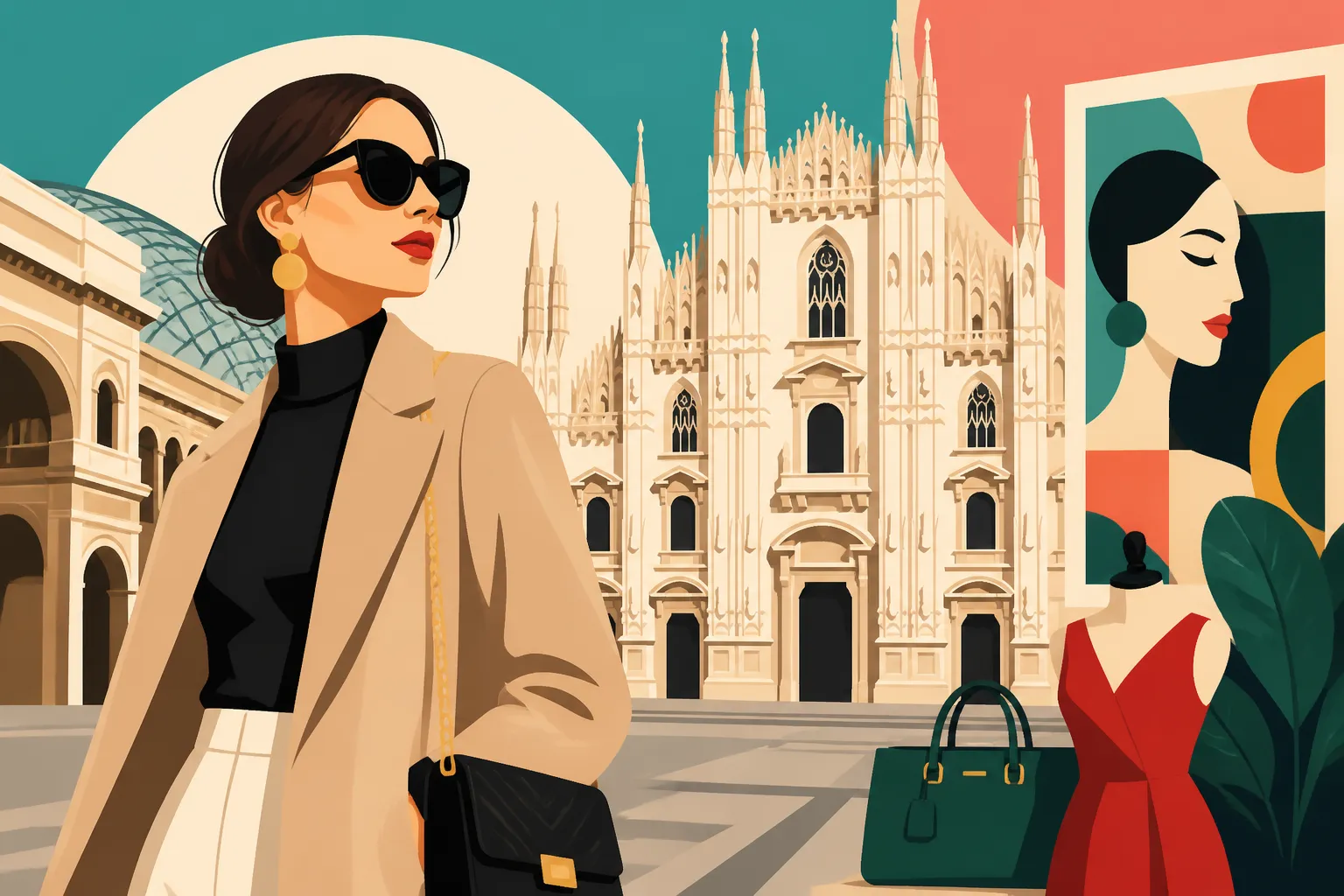
The beating heart of Milanese fashion is undoubtedly the Quadrilatero della Moda, or the "Fashion Quadrilateral." This isn't just a shopping district; it's an experience, a pilgrimage for anyone with an appreciation for luxury and design. Streets like Via Montenapoleone, Via della Spiga, Via Sant'Andrea, and Via Manzoni form an exclusive rectangle lined with the flagship stores of every major Italian and international designer imaginable. Think Gucci, Prada, Versace, Armani, Valentino – they're all here, housed in stunning historic buildings.
Walking through these streets, even if your budget doesn't stretch to a new designer handbag (and let's face it, for most of us, it definitely doesn't!), is an absolute feast for the eyes. The window displays are works of art in themselves, constantly changing and always pushing the boundaries of creativity. You'll see impeccably dressed locals gliding by, perhaps on their way to a fashion show or an exclusive event, exuding an effortless elegance that is uniquely Milanese. It's a place to soak up the atmosphere, enjoy a luxurious coffee, and simply observe the world of high fashion in its natural habitat. It's also remarkably safe and clean, a testament to the city's meticulous attention to detail.
Beyond Luxury: Vintage, Boutiques, and Outlet Shopping
While the Quadrilatero is magnificent, Milan's fashion scene extends far beyond its opulent confines. For those of us with more modest budgets or a keen eye for unique finds, the city offers a treasure trove of vintage shops, independent boutiques, and even accessible outlet stores. Areas like Brera and the Navigli district are fantastic for discovering smaller, artisanal shops selling handcrafted jewelry, bespoke accessories, and avant-garde clothing from up-and-coming designers. It's a more bohemian and less intimidating shopping experience, where you can often find pieces with true character.
Vintage shopping has a strong presence too, with dedicated markets and stores like Cavalli e Nastri offering curated selections of pre-loved designer items. For serious bargain hunters, keep an eye out for the "saldi," Italy's official sales periods, which typically occur in January/February and July/August. During these times, prices drop dramatically, making designer items slightly more attainable. It’s an electrifying time to be in the city, but prepare for crowds! Whether you're hunting for a one-of-a-kind vintage piece or a stylish but affordable local brand, Milan proves that good style doesn't always have to come with a prohibitive price tag. For a truly authentic experience of local flair and perhaps some unique finds, be sure to explore Shopping in Italy: Markets, Boutiques, and Outlets.
Architectural Marvels: From Duomo to Modern Skylines
Milan's architecture is a narrative in stone, glass, and steel, telling stories of centuries of ambition, resilience, and groundbreaking vision. From the soaring spires of its most famous cathedral to the sleek lines of its newest districts, the city offers a stunning panorama of design evolution.
Il Duomo di Milano: An Icon of Gothic Grandeur
There’s no getting around it: the Duomo di Milano is an absolute showstopper. It’s not just a church; it’s the spiritual and geographical heart of the city, a testament to human endeavor and artistic devotion that took nearly six centuries to complete. Standing in Piazza del Duomo and gazing up at its dazzling white marble facade, adorned with thousands of statues, spires, and gargoyles, is truly breathtaking. It’s an overwhelming, intricate masterpiece of Gothic architecture, unlike any other cathedral in Italy.
Inside, the vastness is equally impressive, with soaring columns and stained-glass windows that bathe the interior in a kaleidoscopic light. But the real magic, in my opinion, lies on the roof. Climbing (or taking the elevator) to the Duomo terraces allows you to walk among the spires, offering unparalleled views of the city stretching out to the Alps on a clear day. It's a truly unique perspective, putting the sheer scale and detail of the cathedral into breathtaking context. To avoid the often-long queues, especially during peak season, it’s highly advisable to book your tickets in advance. Websites like GetYourGuide often offer skip-the-line options, which can save you precious hours, allowing you more time to explore Milan's other wonders. This magnificent structure is also recognized as one of Italy's significant Italy's UNESCO World Heritage Sites: A Visitor's Guide.
Galleria Vittorio Emanuele II and Castello Sforzesco
Just adjacent to the Duomo, the Galleria Vittorio Emanuele II is another architectural gem and an icon of Milanese elegance. Often called "Milan's drawing room," this stunning 19th-century shopping arcade is a marvel of iron, glass, and mosaic. Its magnificent central dome and intricate floor mosaics, including the famous bull mosaic (where spinning on the bull's testicles is said to bring good luck!), make it a popular spot for both shoppers and sightseers. It houses luxury boutiques, historic cafes, and restaurants, offering a glamorous setting for a coffee or an aperitivo. It truly embodies the sophisticated spirit of Milan.
A short walk from the Duomo, you'll find the imposing Castello Sforzesco. This massive medieval fortress, once a powerful defensive stronghold and later a ducal residence for the Sforza family, now houses several of Milan's most important museums and art collections. You could spend a whole day exploring its courtyards, towers, and the vast collections within, which range from Egyptian artifacts to Michelangelo's Pietà Rondanini. The castle grounds lead directly into Parco Sempione, a sprawling urban park that offers a green oasis in the city, perfect for a leisurely stroll or a picnic after a dose of history and art.
Modern Milan: Bosco Verticale and CityLife
Milan isn't just about its glorious past; it's a city that continuously reinvents itself, embracing innovation and sustainable urban development. A prime example of this forward-thinking approach is the Bosco Verticale ("Vertical Forest") in the Porta Nuova district. These two residential towers are literally covered in over 2,000 species of trees and shrubs, creating a living, breathing facade that helps to mitigate air pollution and provide urban biodiversity. It’s a stunning example of biodiverse architecture and a powerful statement about the city’s commitment to green living.
Nearby, you’ll find the CityLife district, a vast urban redevelopment project that showcases some of Europe’s most striking contemporary architecture. Designed by renowned architects like Zaha Hadid, Daniel Libeskind, and Arata Isozaki, CityLife features futuristic skyscrapers, residential complexes, and a large park. It's a vision of urban living for the 21st century, with sleek lines, expansive public spaces, and a focus on sustainability. Exploring these modern districts offers a stark and fascinating contrast to the historic core, proving that Milan is a city that confidently strides into the future without forgetting its illustrious past.
Milan’s Artistic Soul: Masterpieces and Hidden Gems
Beneath its polished exterior, Milan holds a deep and rich artistic soul. While it might not boast the sheer volume of Renaissance art found in Florence or Rome, what it does possess are masterpieces of profound significance, alongside a thriving contemporary art scene.
The Last Supper by Leonardo da Vinci: A Must-See
This is it, folks. One of the most iconic artworks in human history, Leonardo da Vinci’s "The Last Supper" (Cenacolo Vinciano), housed in the refectory of the Santa Maria delle Grazie convent. Seeing it in person is an absolutely spellbinding experience, profoundly moving and truly unforgettable. The sheer emotion and detail Leonardo captured in this fading mural are mesmerizing. However, here's where the expat realism kicks in: getting tickets is notoriously difficult, almost an Olympic sport. Visitor numbers are strictly controlled to preserve the delicate fresco, meaning only a limited number of people can view it for a mere 15 minutes at a time.
My advice? Book your tickets months in advance, seriously. As soon as you know your travel dates, check for availability. If direct tickets are sold out (which they often are), look into guided tours. Companies like GetYourGuide often secure blocks of tickets for their small group tours, which can be a lifesaver for seeing this masterpiece. Yes, it will cost more, but for many, it's a small price to pay to witness a piece of history that continues to captivate the world. Don't leave it to chance, or you'll likely be disappointed.
Pinacoteca di Brera and Other Art Institutions
Beyond "The Last Supper," Milan offers a treasure trove of art. The Pinacoteca di Brera, located in the charming Brera district, is one of Italy's foremost public art galleries. Its collection is particularly strong in Italian Renaissance art, featuring masterpieces by Raphael, Caravaggio, Bellini, Tintoretto, and Mantegna's haunting "Lamentation of Christ." The gallery itself is housed in a beautiful 17th-century palazzo, and exploring its grand halls is a delightful journey through centuries of artistic brilliance. The surrounding Brera neighborhood, with its narrow streets, art academies, and bohemian cafes, adds to the artistic ambiance, making it a wonderful area to simply wander and soak in the creative energy.
For those interested in 20th-century and contemporary art, the Museo del Novecento, housed in the futuristic Palazzo dell'Arengario overlooking Piazza del Duomo, is a must-visit. It offers a comprehensive overview of Italian art from the 20th century, with a focus on Futurism and Arte Povera, and spectacular views of the Duomo from its upper floors. The Triennale di Milano, located in Parco Sempione, is a design and art museum that focuses on Italian design, architecture, and contemporary arts, hosting frequently changing exhibitions. Milan truly has an art scene for every taste.
Street Art, Galleries, and Cultural Hubs
Milan's artistic pulse isn't confined to its grand museums; it thrives in smaller galleries, cultural centers, and even on its streets. Districts like the Navigli (especially around the canals) and Isola are known for their vibrant street art, independent galleries, and creative studios. You'll find captivating murals, thought-provoking installations, and a dynamic energy that speaks to Milan's ongoing artistic evolution. These neighborhoods are fantastic for an afternoon stroll, popping into a gallery, or discovering a hidden gem.
The city also hosts numerous art fairs and events throughout the year, solidifying its role as a contemporary cultural hub. From small, experimental spaces to larger, established galleries, Milan fosters an environment where art is accessible and constantly evolving. Keep an eye on local listings or expat community pages to discover temporary exhibitions and cultural events that showcase the city's diverse and thriving artistic landscape.
Navigating Milan: Getting Around and Staying Connected
Getting around any new city can feel like a maze, and Milan, with its unique blend of historic pedestrian zones and modern, sprawling districts, is no exception. But fear not, the city's transport system is one of Italy's most efficient, and once you get the hang of it, you'll be zipping around like a local.
Public Transportation: Metro, Trams, and Buses
Milan's public transportation network, managed by ATM (Azienda Trasporti Milanesi), is excellent. The metro (subway) is clean, punctual, and covers most major attractions and neighborhoods with its five lines (M1-red, M2-green, M3-yellow, M4-blue, M5-lilac). It's often the fastest way to traverse the city, especially during peak traffic. Beyond the metro, an extensive network of trams and buses fills in the gaps, offering a more scenic way to travel and reach areas not served by the underground. The historic trams, in particular, are a charming way to see the city.
Tickets are valid across all modes of transport (metro, tram, bus) within the urban area. You can buy single tickets, 24-hour, or 48-hour passes, depending on your stay. You can purchase them at metro stations, newspaper stands (edicole), or tabaccherie. Remember, always validate your ticket as you board a bus or tram, or before entering the metro gates, to avoid hefty fines. For visitors planning extensive travel within Italian cities or between them, our guide on Getting Around Italian Cities: Metro, Tram, and Buses provides even more detailed insights. For those planning to travel further afield by train, perhaps to visit other parts of Italy, checking platforms like Omio can be incredibly useful for comparing routes and booking tickets efficiently.
Taxis, Ride-Sharing, and Walking: Best Ways to Explore
While public transport is fantastic, there are times when a taxi or a leisurely walk is preferable. Taxis in Milan are generally reliable and can be hailed at designated taxi stands, found near major attractions, train stations, and hotels, or booked via apps like Free Now. Keep in mind that fares can add up quickly, especially during traffic or late at night. Ride-sharing services like Uber Black (not Uber X, which is generally not available for regular cars in Italy) also operate, offering a more premium, albeit pricier, option.
However, often the best way to experience Milan is on foot. Many of the most picturesque neighborhoods, like Brera, Navigli, or the area around the Duomo, are best explored by wandering their streets, discovering hidden courtyards, and stumbling upon charming cafes. Milan is a city that rewards those who slow down and observe. For those planning to venture beyond the city limits, especially into the countryside, you might be considering a car, and our article on Renting a Car in Italy: ZTLs, Insurance, and Driving Tips will be an invaluable resource.
Accommodation in Milan: Choosing Your Base
Deciding where to stay in Milan can significantly shape your experience. The city offers a diverse range of neighborhoods, each with its own character and advantages. For luxury and immediate access to sights, staying near the Duomo or in the Quadrilatero della Moda is ideal, though it comes with a higher price tag. If you're looking for vibrant nightlife and a bohemian atmosphere, the Navigli district with its canals and aperitivo spots is a fantastic choice. Brera offers a more artistic, charming vibe with elegant streets and boutiques, while Isola is a trendy, up-and-coming area popular with younger expats and locals, known for its modern architecture and creative energy.
For business travelers, the Porta Nuova district, with its sleek skyscrapers and excellent transport links, is a practical option. When booking, websites like Booking.com offer a wide array of choices, from boutique hotels to apartments, allowing you to filter by neighborhood, budget, and amenities. It's wise to book in advance, especially during fashion weeks or major trade fairs, as accommodation can become scarce and expensive. Always consider proximity to a metro station, as it will make your explorations much smoother. For a broader perspective on staying in Italy, you might want to read our comprehensive guide on Accommodation in Italy: Hotels, B&Bs, and Agriturismi.
Culinary Delights and Milanese Life
Milan might not have the culinary fame of Bologna or Naples, but it has a sophisticated and distinct gastronomic tradition that is truly its own. Forget everything you thought you knew about Italian food; Milanese cuisine is about hearty, refined dishes, and a social ritual that every expat and tourist should embrace: the aperitivo.
Traditional Milanese Cuisine: Risotto, Cotoletta, and Panettone
The heart of traditional Milanese cooking lies in rich, comforting dishes, often influenced by its northern location and historical ties to other European cultures. The undeniable star is Risotto alla Milanese, a creamy, saffron-infused rice dish with a glorious golden hue. It's utterly delicious and a must-try. Another iconic dish is Cotoletta alla Milanese, a breaded veal cutlet, often cooked in butter and served bone-in, reminiscent of a Wiener Schnitzel but with its own unique Milanese flair. It's a hearty and satisfying meal.
For something a bit more rustic, try Ossobuco, braised veal shanks cooked with vegetables, white wine, and broth, often served with risotto. And of course, no mention of Milanese cuisine would be complete without Panettone, the dome-shaped sweet bread studded with candied fruits and raisins. While traditionally a Christmas delicacy, you can often find variations or high-quality artisanal versions year-round. Seek out traditional trattorias, often tucked away on side streets, for an authentic taste of these Milanese classics. For those eager to understand how to approach meals in Italy, our guide on How to Eat Like a Local in Italy: Meal Structure and Timing is highly recommended.
Aperitivo Culture: The Milanese Ritual
If there's one social ritual you absolutely must experience in Milan, it's the aperitivo. This isn't just a happy hour; it's a way of life, a pre-dinner tradition that's deeply ingrained in Milanese culture. Typically starting around 6 PM and lasting until 9 PM, you order a drink (a classic Aperol Spritz, Negroni, or a glass of wine) and, almost magically, an extensive buffet of food appears. This can range from simple olives and crisps to elaborate platters of pasta, mini sandwiches, cured meats, cheeses, and even hot dishes.
The idea is to socialize, unwind after work, and lightly snack before dinner, not to replace it entirely. However, many places offer such generous spreads that it can easily serve as a light meal, saving you some euros! The Navigli district, with its picturesque canals, is particularly famous for its lively aperitivo scene, as is the Brera area. It’s a wonderful way to experience local life, people-watch, and enjoy the evening atmosphere. You can learn more about this delightful tradition in our article, Aperitivo in Italy: The Pre-Dinner Ritual Explained.
Beyond Fine Dining: Markets, Street Food, and Cafes
While Milan certainly has its share of Michelin-starred restaurants, don't overlook its more casual, everyday culinary experiences. Visiting a local market, such as the Mercato di Via Fauché (especially on a Tuesday or Saturday for clothing and accessories) or the various food markets, is a fantastic way to immerse yourself in local life and sample fresh produce, cheeses, and regional specialties.
Street food, while not as prevalent as in some southern Italian cities, is making its mark. Look for small kiosks selling panzerotti (small fried calzones), especially near the Duomo, or explore the more modern food halls that offer a variety of gourmet street food options. And of course, the Italian coffee culture is alive and well here. Stop at a local bar for a quick espresso at the counter, or linger over a cappuccino (but only before noon, if you want to blend in!). It's these everyday culinary moments that truly bring the city to life.
Here's a quick comparison of some Milanese culinary delights:
| Dish/Experience | Description | Typical Cost (EUR) | Best Time to Enjoy |
|---|---|---|---|
| Risotto alla Milanese | Creamy saffron rice, often served as a primo (first course) | 12-18 | Lunch or Dinner |
| Cotoletta Milanese | Breaded veal cutlet, usually bone-in | 18-25 | Dinner |
| Ossobuco | Braised veal shanks, typically served with risotto | 20-30 | Dinner, especially in colder months |
| Aperitivo | Pre-dinner drink with complimentary buffet | 8-15 (per drink) | 6 PM – 9 PM |
| Panettone | Sweet bread with candied fruit, historically a Christmas cake | 5-30+ (depending on size/artisan) | Throughout the day (especially in winter) |
| Panzerotti | Small fried calzones, often filled with mozzarella and tomato | 3-6 | Snack, light lunch |
Day Trips from Milan: Exploring Northern Italy
One of Milan's greatest assets, whether you're living there as an expat or just visiting, is its incredible position as a launchpad for exploring the wider wonders of Northern Italy. The efficient rail network means you can easily escape the urban hustle for serene lakes, historic cities, or even mountain adventures.
Lake Como and the Italian Lakes
Hands down, one of the most popular and utterly breathtaking day trips from Milan is to Lake Como. Its dramatic scenery, with steep hillsides plunging into deep blue waters, dotted with charming villages and opulent villas, is simply mesmerizing. You can reach the city of Como by direct train from Milano Centrale in about an hour, and from there, explore the lake by ferry, stopping at picturesque towns like Bellagio, Varenna, or Menaggio. A tip from an old hand: the trains can get busy, so booking your tickets in advance, perhaps through a platform like Omio, can save you a scramble.
The beauty of the Italian Lakes region extends beyond Como, of course. Lake Garda, Italy’s largest lake, offers a different vibe with more vibrant towns and a slightly warmer climate, while Lake Maggiore boasts the stunning Borromean Islands. Each lake has its own unique character, providing opportunities for boat trips, lakeside strolls, or simply enjoying a leisurely lunch with a view. Our detailed comparison, The Italian Lakes: Como, Garda, and Maggiore Compared, can help you pick the perfect one for your visit.
Turin, Verona, and Other Nearby Cities
Milan's central location also makes it incredibly easy to visit other historically and culturally rich cities in Northern Italy by high-speed train. Turin, the elegant former capital of Italy and home of the Fiat dynasty, is just over an hour away. It boasts grand Baroque architecture, stately piazzas, and a rich history, not to mention being Italy's chocolate capital and the birthplace of vermouth. It's a fantastic alternative to the more heavily touristed cities.
Verona, the city of Romeo and Juliet, is also easily reachable by train, taking about 1.5 to 2 hours. Its Roman arena, charming old town, and romantic atmosphere make it a perfect day trip for history buffs and romantics alike. For foodies, Bologna, roughly 2.5 hours by high-speed train, offers an unparalleled culinary experience, often considered Italy's gastronomic heartland. With excellent high-speed connections, High-Speed Trains in Italy: Trenitalia, Italo, Routes, and Savings will guide you through maximizing your travel between these incredible destinations.
The Alps: Winter Sports and Summer Escapes
For those who crave mountain air and dramatic landscapes, the Italian Alps are surprisingly accessible from Milan. In just a couple of hours, you can be amidst towering peaks, whether you're looking for world-class skiing in the winter or spectacular hiking and scenic beauty in the summer. Regions like the Valtellina, with its charming towns and vineyards, are popular for outdoor activities and offer a refreshing change of pace from the city.
Even if you're not an avid skier or hiker, a day trip to a mountain town can offer stunning views, delicious hearty Alpine cuisine, and a completely different cultural experience. It’s a chance to see another side of Italy, one of rugged beauty and crisp, clean air, and a perfect escape when the city feels a little too warm or bustling.
Disclaimer
Please remember that while this guide provides comprehensive information, details such as opening hours, ticket prices, and transportation schedules can change. We highly recommend checking official websites and local resources for the most up-to-date information before planning your trip. This content is for informational purposes only and does not constitute professional advice.