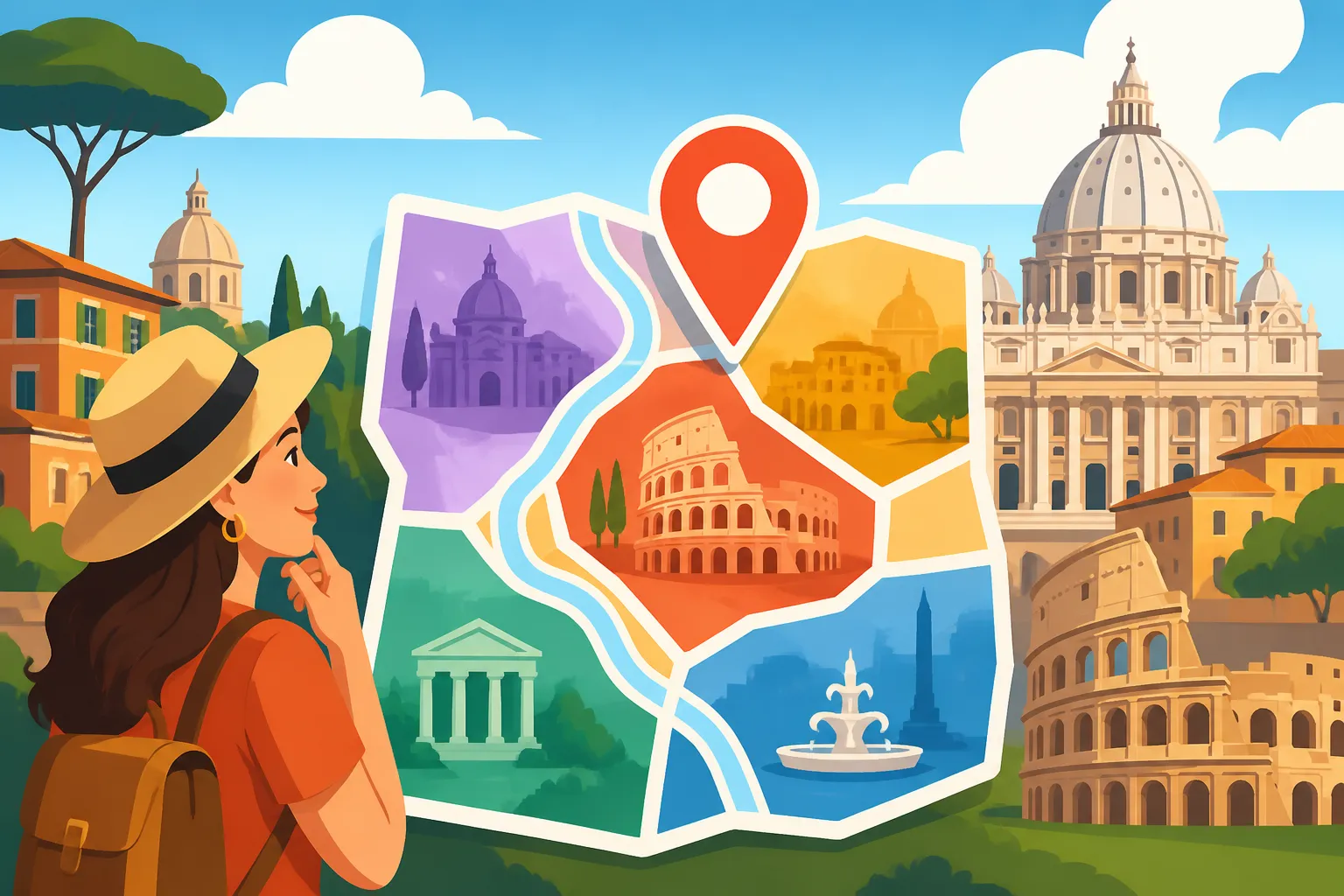
What’s the Best Area to Stay in Rome?
Most travelers book their Rome stay based on a pretty photo of the Colosseum, only to realize they are trapped in a noisy, overpriced tourist zone with mediocre food. This guide navigates the labyrinth of the Eternal City's neighborhoods, providing an expat’s perspective on logistics, safety, and authentic vibes to ensure your Roman holiday is actually relaxing and well-connected.
Disclosure: This post may contain affiliate links. We may earn a commission at no extra cost to you if you make a purchase through these links. Read full disclosure.
Understanding Rome’s Layout and Logistics
When you first land and look at a map of Rome, it feels like a chaotic web of ancient ruins and modern traffic. The mistake most newcomers make is underestimating the sheer scale of the city and the geological hurdles of its seven hills. Walking is the primary mode of transport, but your feet will pay the price if you don’t choose a base that aligns with your daily itinerary. The historical center, or Centro Storico, is technically where most of the "fame" lives, but it is also where the highest concentration of tourist traps and overpriced apertivi reside.
Logistically, you need to think about how you are arriving. If you are coming from the main airport, knowing How to Get From Rome Fiumicino Airport to the City Center is your first hurdle. If your accommodation is deep in the winding alleys of Trastevere, a taxi might be your only option, as the tram system is legendary for its occasional "sciopero" (strike) or general delays. For those planning to visit other cities like Florence or Naples during their stay, staying within a reachable distance of Termini Station is a strategic move, though it comes with its own set of aesthetic trade-offs.
If you are planning to travel between cities, using a platform like Omio can help you compare train and bus prices, ensuring you aren't stuck paying premium last-minute rates at the station kiosks. Rome is a city of layers, and your choice of neighborhood determines which layer you experience: the polished, cinematic Rome of the movies, or the gritty, vibrant, and incredibly delicious Rome of the locals. You must also account for the What Is a ZTL in Italy and How to Avoid Fines regulations if you are considering a rental car, which generally makes staying in the center a massive headache for drivers.
The Centro Storico and the Pantheon Area
Staying near the Pantheon or Piazza Navona is the dream for many, and for good reason. You are steps away from some of the most breathtaking architecture in human history. Every morning, you can walk out your door and see the sunlight hitting the ancient stones before the crowds arrive. However, be prepared for the "Disney-fication" of the area. During the day, the noise levels are high, and the streets are packed with tour groups. You are in the heart of it all, but you are also in the most expensive real estate in the city.
From an expat perspective, the Centro Storico is great for a three-day whirlwind, but it can feel suffocating for longer stays. The grocery stores are small and "tourist-priced," and finding a quiet spot for a morning coffee without a "service charge" takes local knowledge. If you do choose this area, try to find an apartment tucked away in the smaller side streets near Via Giulia. It’s one of the most beautiful streets in Rome and offers a modicum of peace while still being central.
Termini and the Esquilino District
Termini is the central nervous system of Rome. Staying here is purely a logistical decision. If you have an early train to catch or you’re arriving late at night, the convenience is unmatched. This area is home to many budget-friendly hotels and hostels. You can often find great deals on Booking.com for this area, especially if you are looking for standardized hotel amenities rather than the "charming but crumbling" feel of older apartments.
However, let’s be realistic: the area immediately surrounding any major European train station can be gritty. While it is generally safe, it lacks the romantic atmosphere of the rest of Rome. Esquilino, the neighborhood next to the station, is Rome’s most multi-cultural district. It is home to the Mercato Centrale, an excellent food hall, and some of the city's best international cuisine. If you stay here, you’ll want to brush up on Staying Safe in Italy: Common-Sense Tips for Travelers just to feel more confident navigating the busy streets at night.
Neighborhood Deep Dives Where to Drop Your Bags
To truly enjoy Rome, you have to find the neighborhood that matches your personality. Rome isn't just one city; it's a collection of villages that happen to be connected by ancient roads. Each district has its own "piazza" culture, its own preferred bakery, and its own unique way of ignoring the traffic. Whether you want the trendy nightlife of the young and fashionable or the quiet, tree-lined streets of the upper class, there is a corner of Rome for you.
When choosing, consider your mobility. Rome’s public transport is… let's call it "character-building." The Metro only has three lines, and it rarely goes exactly where you want it to because every time they dig a new tunnel, they hit an ancient villa. This means your neighborhood choice dictates your daily walk. For instance, knowing How to Use the Rome Metro as a First-Time Visitor will help you realize that staying in Prati is great for the Vatican, but you’ll be relying on the A-Line to get back to the Colosseum area.
Monti: The Chic Village Style Choice
Monti is the darling of the Roman expat community. Nestled between the Via Nazionale and the Colosseum, it used to be a slum in ancient Roman times (the "Suburra"), but today it is a maze of ivy-covered buildings, vintage boutiques, and hip wine bars. It manages to feel like a small village despite being a five-minute walk from the forum. The heart of the neighborhood is the Piazza della Madonna dei Monti, where locals sit on the fountain steps every evening with a beer or a gelato.
If you stay in Monti, you are perfectly positioned for sightseeing. You can practically roll out of bed and be at the entrance of the Colosseum before the lines get too long. Speaking of which, you should definitely learn How to Skip the Lines at the Colosseum and Vatican before you arrive, as Monti’s proximity will give you the advantage of early entry. The food here is a mix of traditional trattorias and modern "fusion" spots, catering to a younger, more international crowd. It’s the perfect balance of ancient history and modern Roman cool.
Trastevere: The Boisterous Soul of the City
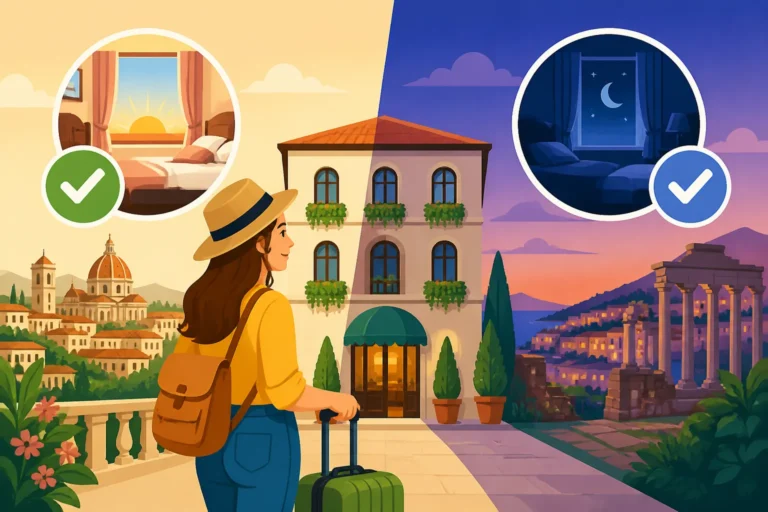
Trastevere is the neighborhood most people fall in love with. It is located "across the Tiber" (Trans-Tiberim) and is famous for its narrow, winding cobblestone streets and vibrant nightlife. If you want to experience the Rome of postcards—laundry hanging between buildings, orange-hued walls, and bustling terraces—this is it. However, Trastevere is a tale of two halves. The area near Piazza Trilussa is the epicenter of nightlife and can be incredibly loud until 2:00 AM. If you are a light sleeper, this might be your version of hell.
If you head deeper into the neighborhood, toward the Basilica of Santa Cecilia, the atmosphere shifts. It becomes quiet, residential, and profoundly atmospheric. Staying in Trastevere means you are a bit further from the Metro, so you’ll be relying on the H bus or the Number 8 tram to get across the river. It’s a great place to practice your culinary skills, but make sure you understand What Time Do Italians Eat Lunch and Dinner? because Trastevere’s best spots don’t even open their doors until 7:30 PM.
Prati: Elegant, Professional, and Near the Vatican
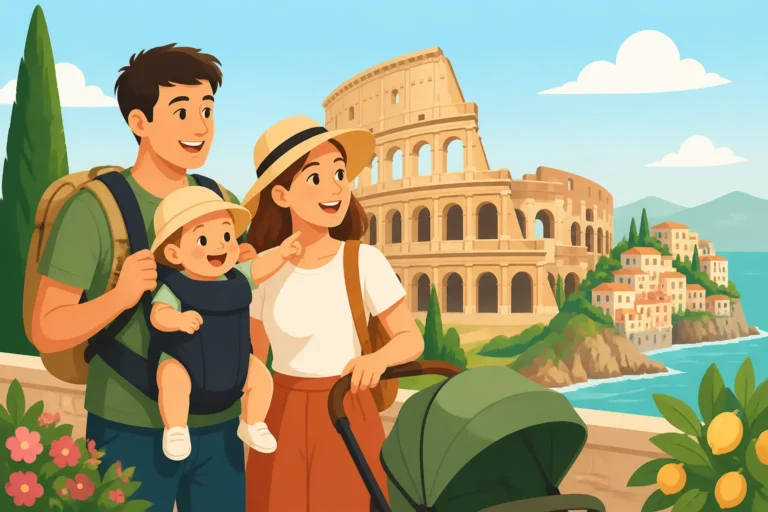
Prati is a departure from the "Ancient Rome" aesthetic. It was developed in the late 19th and early 20th centuries, so the streets are wide, the buildings are grand and "Umbertino" style, and everything feels much more organized. It is the district of lawyers, judges, and high-end shopping. If you want a stay that feels "civilized," where the sidewalks are wide enough for a stroller and there are actual trees, Prati is your best bet.
It is the primary base for anyone whose main goal is the Vatican City. You can walk to St. Peter’s Square in minutes. Because it’s a wealthier residential area, the restaurants here are often higher quality and less "touristy" than those in the historical center. You’ll find authentic Roman life here, but with a bit more polish. It’s also one of the best places to learn How to Order Coffee in Italy Like a Local because the bars here are filled with professionals getting their morning espresso before heading to the nearby courts.
| Neighborhood | Best For | Vibe | Transport Connection |
|---|---|---|---|
| Centro Storico | First-timers | High-energy, Iconic | Mostly walking |
| Monti | Couples & Hipsters | Village-like, Trendy | Cavour Metro (Line B) |
| Trastevere | Nightlife & Charm | Boisterous, Romantic | Tram 8, Bus H |
| Prati | Families & Vatican | Elegant, Professional | Ottaviano/Lepanto (Line A) |
| Testaccio | Foodies | Authentic, Gritty | Piramide Metro (Line B) |
| Aventine | Luxury & Peace | Residential, Quiet | Circo Massimo (Line B) |
Specialized Stays Matching Your Travel Style
Not every traveler is looking for the same thing. A solo digital nomad has very different requirements than a family of five with two toddlers. Rome is a city that can accommodate both, but you have to be intentional. If you are traveling with children, the cobblestones of the center can be a nightmare for strollers. If you are a solo traveler, you might want to be somewhere with a high density of social spots so you don't feel isolated in the "Museum City."
When planning your activities, using GetYourGuide can help you find specialized tours that fit your niche, whether it's a hidden food tour in a residential neighborhood or a private night tour of the ruins. Staying in a neighborhood like Testaccio, for example, puts you in the perfect position for a deep dive into Roman cuisine without the crowds of the Pantheon area.
Best for Families: Aventine Hill and Celio
The Aventine Hill is one of the most exclusive and quiet areas in the city center. It feels like a park that someone decided to build houses in. It is home to the famous "Orange Garden" (Giardino degli Aranci) and the Keyhole of the Knights of Malta. For families, this is a sanctuary. It is quiet, safe, and has plenty of green space for kids to run around. The downside? There are very few shops or restaurants on the hill itself, so you will be walking down the hill for every meal.
The Celio neighborhood, located just behind the Colosseum, is another great family option. It is much more "lived-in" than the Aventine but significantly quieter than Monti. It has a great local park (Villa Celimontana) and several small playgrounds. It allows you to be in the center of history while still having a "home" to retreat to when the kids get overwhelmed by the heat and the crowds. Knowing How to Avoid Pickpockets on Rome's Metro and Buses is especially useful here if you plan to use the nearby Circo Massimo station with your family.
For the True Foodie: Testaccio
If your primary goal in Rome is to eat your body weight in Cacio e Pepe and Carbonara, look no further than Testaccio. This is the heart of Roman "Cucina Povera." Historically, this was the site of the city’s slaughterhouse, which led to a local culinary tradition centered around the "quinto quarto" (offal). Today, the slaughterhouse is a contemporary art space and a music school, and the neighborhood is one of the most authentic in Rome.
Testaccio has its own covered market which is, in my opinion, the best in the city. It’s where you go to get a "mordicchio" sandwich or fresh pasta to cook in your Airbnb. The restaurants here don't need to try hard to attract tourists because their tables are already filled with locals who have been eating there for generations. It’s gritty, it’s real, and it’s significantly cheaper than the center. It’s also the place where you can truly master the art of How to Find Authentic Restaurants in Italy (Not Tourist Traps).
Navigating the Booking Process and Local Customs
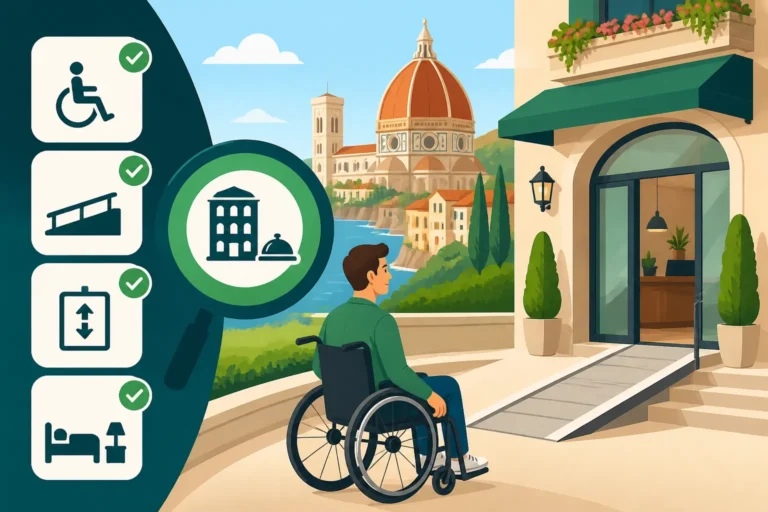
Once you've picked your neighborhood, the actual process of booking can still be a bit of a minefield. Many Roman apartments are housed in buildings that are hundreds of years old. This means that "elevator" is often a luxury, not a guarantee. If you are on the fourth floor (which is actually the fifth floor by American standards), you might be climbing a lot of stairs. Always check the fine print on Booking.com to see if there is a "lift" mentioned.
Furthermore, Rome is a seasonal city. The neighborhood that is lovely in October might be unbearable in August due to the heat and the lack of air conditioning in older buildings. "A/C" in Italy is often not the central air you might be used to; it’s usually a wall-mounted unit that can struggle with the Roman "afa" (humid heat). Always confirm the cooling situation if you are visiting between June and September.
Understanding Rental Contracts and Tipping
If you are staying for more than a few weeks, you might encounter different types of rental agreements. However, for most tourists, you will be under a "short-term" tourist rental. Be aware that you will almost always be asked to pay a "city tax" (tassa di soggiorno) in cash upon arrival. This is a legitimate government requirement, usually ranging from 3 to 7 Euros per person, per night, depending on the star rating of the accommodation. Don't be surprised when your host asks for your passport; they are legally required to report all guests to the local police (the "Questura") within 24 hours.
When you finally settle into your neighborhood and head out for your first meal, the question of tipping will inevitably arise. In Rome, tipping is not mandatory, but it is appreciated for exceptional service. You will likely see a "coperto" on your bill—this is a cover charge for the bread and the table setting, not a tip for the waiter. If you're wondering about the nuances, reading up on Is It Rude Not to Tip in Italy? can save you some social awkwardness.
Final Expat Secrets for Choosing Your Base
My final piece of advice as a veteran expat: don't be afraid to stay a little bit further out if the neighborhood has a "train" connection rather than just a "bus" connection. Areas like Ostiense (near the Eataly flagship store) or the area around the San Giovanni Basilica are wonderful, authentic, and much more affordable. They offer a "real" Roman experience where you'll see grandmothers pulling shopping trolleys and kids playing soccer in the piazzas.
Rome is a city that rewards the curious. If you choose a base that allows you to feel like a resident rather than a spectator, your experience will be infinitely more meaningful. Whether you’re sipping a glass of Cesanese in a Monti wine bar or watching the sunset over the Tiber in Trastevere, the "best" area is ultimately the one that makes you feel like you belong, even if only for a few days. If you find yourself with an extra day, consider checking out Best Day Trips From Rome by Train to see what lies beyond the city walls, using Omio to find the fastest regional connections.
Disclaimer
The information provided in this guide is for informational purposes only and reflects the personal experiences and opinions of the author as of 2026. While every effort has been made to ensure the accuracy of the details regarding Rome’s neighborhoods, transport, and local regulations, travelers should verify current laws, prices, and safety conditions before making any bookings. The author and publisher are not responsible for any changes in local city taxes, business closures, or changes in public transportation schedules. This guide does not constitute legal or professional travel advice.